
Screen Enclosure Repair Near Me for Torn Screens
You notice it first when the evening breeze turns into a bug problem. A torn screen in your screened-in patio or porch enclosure lets insects in, and the opening can also allow pollen, dust, and outdoor debris to drift inside.
In Houston, TX, that damage tends to show up fast because screens get constant sun exposure, humidity, and everyday wear from pets, kids, and normal use. This guide explains what to check, what typically needs repair, and how to make sure the fix actually lasts.
- Quick answer
- What to check first
- Main things customers should understand
- Why this matters in Houston, TX
- Common mistakes to avoid
- Customer checklist
- Frequently asked questions
Quick Answer
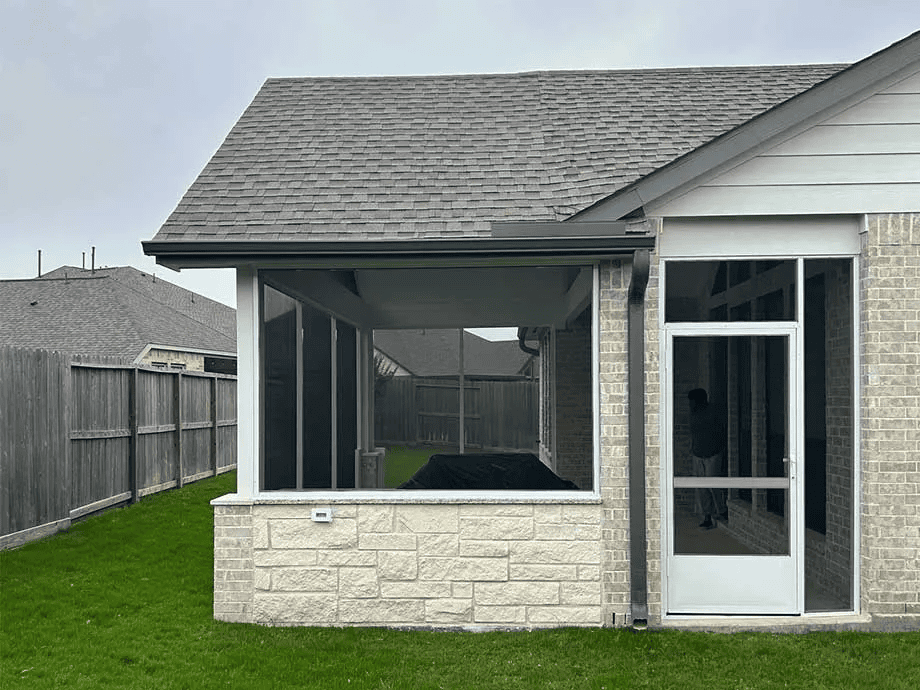
If a screen is torn, the best next step is to stop further damage by checking the frame, corners, and spline (the rubber holding the screen). Small tears can sometimes be repaired by replacing the screen section and re-seating the spline, but a loose or warped frame usually means the issue will come back. For Houston, TX homeowners, a practical recommendation is to have the enclosure inspected before you replace only the mesh, especially if you notice sagging, gaps, or difficulty closing a door. All-Tex Home Improvement Services can help match the right screen type for your enclosure.
What to Check First
Before calling for screen enclosure repair, take a quick look around the tear. This helps you describe the problem clearly and can prevent a repair that only addresses the visible hole.
1) Location and size of the tear
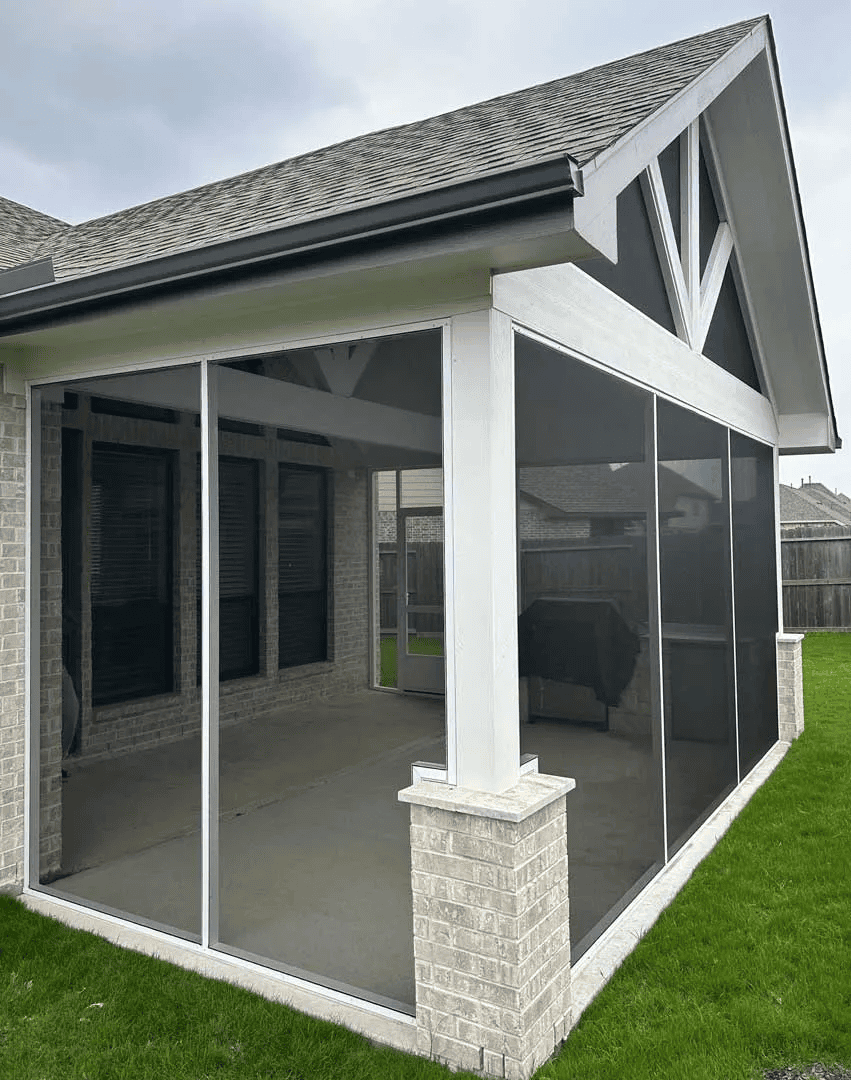
Is it in the middle of the mesh, at a corner, or near a door track? Corner tears often point to frame movement or tension issues.
2) Frame condition
Check for bent rails, loose fasteners, and “out of square” corners. Even a correctly installed screen can fail if the frame is shifting.
3) Spline and edge seal
Look for gaps where the spline sits. If the spline is dry, cracked, or missing in spots, the screen may pull away again after it’s re-tensioned.
Professional observation: Torn screen mesh is often the symptom. The most durable fixes usually start with confirming the frame is stable and the spline sits evenly along the entire opening.
Main Things Customers Should Understand
Screen enclosure repair can be simple when the frame is solid, but it becomes more involved when the enclosure has movement or the openings do not seal correctly. Here is what commonly drives the outcome for screened-in patios, porch enclosures, and other exterior structures in Houston, TX.
What “torn screen repair” may include:
- Removing damaged mesh and replacing it with the appropriate screen material
- Replacing or re-seating spline for a tight, even grip around the perimeter
- Checking and adjusting the door or panel alignment so it closes without rubbing
- Inspecting frame fasteners and corner joints to prevent repeat tears
| Situation you notice | What it often indicates | Repair approach to consider |
|---|---|---|
| A single small tear with no sagging | Localized mesh damage | Replace the affected screen section and re-seat spline |
| Tears keep appearing near the same edge | Frame movement or uneven tension | Verify frame alignment and repair stability before re-tensioning |
| Door screen rubs or won’t close smoothly | Alignment or clearance issue | Adjust door/panel operation, then repair mesh and edges |
| Multiple tears across panels | General wear or spline deterioration | Repair affected areas and address spline/edge sealing consistency |
If your enclosure also has older components, it is worth thinking beyond the screen. Many homeowners use their screened-in spaces as a year-round extension, and other exterior updates can improve comfort and usability. For example, if you are planning upgrades to your covered outdoor living area, you may also want to review screened-in patio and porch enclosure options alongside screen repairs.
Why This Matters in Houston, TX
Houston, TX has a climate that keeps screened areas in regular use, which means small tears turn into ongoing problems quickly. High humidity can make materials feel different over time, and the combination of sun exposure and day-to-day activity can loosen spline edges or stress corners.
Local homeowner tip: If your enclosure is near a high-traffic entry or pet activity area, the screen often fails at the same contact points. Addressing alignment and edge sealing at the same time can reduce repeat damage.
Many Houstonians also coordinate enclosure work with other exterior improvements. If you are restoring the overall look and function of your backyard, the enclosure repair may pair well with updates like custom patio covers or other shade solutions that reduce direct stress from sun and wind.
Ready to get your torn screen back under control?
Call All-Tex Home Improvement Services to discuss what you’re seeing with your screen enclosure in Houston, TX and get a repair plan that matches the enclosure’s condition.
(281) 358-2553Common Mistakes to Avoid
Homeowners often try to patch a tear right away. That can help temporarily, but it can also hide the real cause of the screen failure. Here are common mistakes that lead to repeat tears.
- Replacing mesh without checking the frame. If the frame is shifting, the new screen can tear again along the same line.
- Ignoring door rubbing or panel misalignment. Even a small clearance issue can grind the mesh over time.
- Reinstalling spline unevenly. A loose edge allows the screen to pull away and widen the tear.
- Using a patch that does not match the screen type. Different screen materials behave differently under tension and humidity.
- Waiting too long after the first tear. A small opening can expand quickly as the mesh catches wind or gets bumped.
If you are also dealing with other exterior maintenance concerns, you may find it useful to bundle projects when appropriate. For instance, if your enclosure area is part of an overall exterior refresh, you might coordinate timing with exterior painting in Houston so the surrounding surfaces stay clean and uniform.
Customer Checklist
Use this checklist before service so you can explain the issue clearly and help the repair focus on the right cause, not just the visible damage.
- Document the damage: Note where the tear is (center, corner, near door edges) and approximate size.
- Check closure and rub points: Open and close the door or panel and watch for mesh contact or uneven gaps.
- Inspect the spline: Look for cracked, missing, or loose spline along the perimeter.
- Confirm frame stability: Feel for movement at corners and rails, and check for loose fasteners if accessible.
- Consider recent triggers: Think about recent wind events, impacts, or pet activity that may have started the tear.
- Identify the enclosure type: Screened-in patio, porch enclosure, or another screened area so the repair matches the setup.
Representative scenario
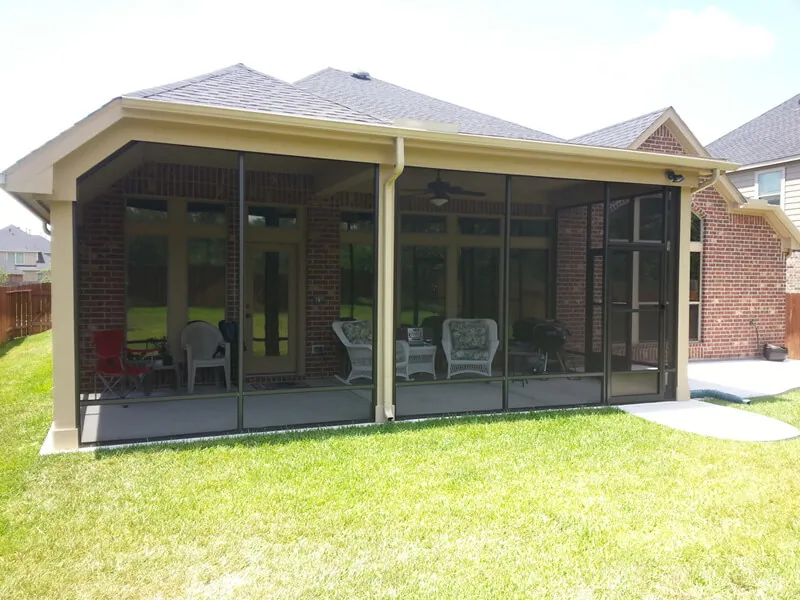
A homeowner in Houston noticed a growing tear near the corner of a screened-in porch enclosure. At first, it looked like a single puncture, but they also saw that the screen edge near the door frame was lifting slightly. After the enclosure was inspected, the repair focused on re-seating the spline along the perimeter and confirming the door clearance so the mesh would not get rubbed again. The homeowner got back to using the porch without the constant influx of insects.
Frequently Asked Questions
Can a torn screen be repaired without replacing the whole enclosure?
Often, yes. If the frame is stable and the damage is localized, the repair may involve replacing the torn mesh section and re-seating the spline for a tight edge. If the screen failure is happening repeatedly at the same spot, it may also point to a frame alignment or clearance issue that needs attention so the new screen does not tear again. A quick inspection is the best way to determine whether partial repair is enough or whether broader attention to the enclosure edges is required.
What should I do right away after I notice a tear?
Stop using the affected door or panel if it is rubbing the mesh, and keep the area clear of anything that could catch the screen. Check whether the tear is near a corner, hinge line, or door edge, since those locations often indicate movement or clearance. If you can safely access the perimeter, look for spline that is loose or missing. Taking a moment to note the tear location helps the repair address the cause, not just the visible hole.
Why does my screen tear near the door frame or corners?
Common causes include uneven tension, spline that is not gripping consistently, and door or panel alignment that leaves small rub points. Corners also experience extra stress because the screen is pulled tight around joints. In humid, high-usage outdoor spaces like screened porches in Houston, TX, small movement can become enough to widen a tear over time. Fixing alignment and edge sealing along with the mesh usually helps prevent the problem from returning.
Does screen enclosure repair relate to other exterior projects?
It can. Screen enclosures are part of the broader exterior system, and many homeowners coordinate repairs with other updates to improve comfort and function. For example, if you are adding shade or reworking covered outdoor living areas, you may want to time screen work alongside those improvements. If your exterior surfaces also need attention, coordinating with exterior painting can help keep the area looking consistent. You can also explore related options like carport covers if your outdoor living setup spans multiple structures.
How do I describe the problem when I call a contractor?
Start with where the tear is located and whether it is near a door or corner. Then mention any behavior you notice, such as sagging, gaps around the edges, or the door rubbing when you open and close it. If you’ve seen spline lifting or cracking, include that too. Finally, share any recent triggers you suspect, like an impact or a windy day. Clear details help the repair plan focus on the right cause.
Get help with screen enclosure repair in Houston, TX
If your screened patio or porch enclosure has a torn screen, All-Tex Home Improvement Services can help you address the root issue so the repair holds up during everyday use.
Contact All-Tex Home Improvement Services
About All-Tex Home Improvement Services
All-Tex Home Improvement Services provides exterior home improvements for homeowners in Houston, TX and Houston & Surrounding Areas, including screen enclosures and related exterior upgrades. If you are dealing with torn screens or enclosure damage, we focus on practical repair steps that restore comfort and help your screened areas stay usable.