
Exterior Painting Near Me: Fresh Curb Appeal Fast
If your Houston home looks tired at the curb, you probably do not want to guess. This guide walks you through what to check before exterior painting, how to plan the work around local conditions, and what choices matter most for a clean, long-lasting finish. You will also find a practical checklist you can use when you contact All-Tex Home Improvement Services.
Maybe your front door still looks great, but the siding, trim, or fascia around it looks faded, chalky, or uneven. Or you have peeling paint in a few spots and you are wondering whether a simple coat will fix it.
In Houston, exterior surfaces deal with heavy sun, humidity, and frequent shifts in temperature. That means the “right” exterior painting plan is not just about color, it is about prep, timing, and matching the job to what your home already has.
This guide helps you understand what to inspect first, what decisions typically affect the outcome, and how to avoid the most common pitfalls that lead to premature peeling or patchy coverage.
- Quick Answer
- What to Check First
- Main Things Customers Should Understand
- Why This Matters in Houston
- Common Mistakes to Avoid
- Customer Checklist
- Frequently Asked Questions
Quick Answer
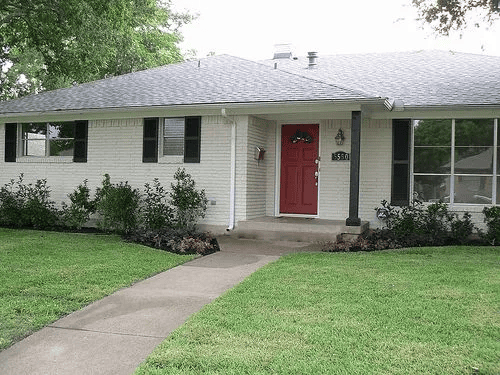
If you are looking for exterior painting near you in Houston, start by checking the condition of the surface, not the color. Look for peeling, bubbling, soft spots, and failing caulk around trim and penetrations. Those areas usually need repair and proper preparation before painting. Then plan your schedule around weather and drying time so the coatings can cure correctly. A practical next step is to contact All-Tex Home Improvement Services for exterior painting in Houston and ask what prep work your specific siding and trim will require before they start.
What to Check First
Before anyone mixes paint, walk the exterior and identify where the finish is failing. Even small problem areas often point to a bigger issue like moisture intrusion, loose trim, or surface deterioration. If you can describe what you see, you will get better guidance and less wasted work.
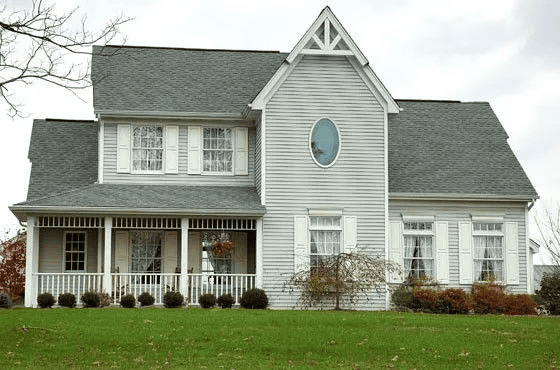
Professional observation: A “fresh coat” usually looks best when prep is treated as the main event. In practice, proper scraping, cleaning, and targeted repairs decide whether the new paint stays uniform or reverts to patches later.
- Peeling and flaking: Check if paint is lifting in sheets or if it is chalking. Large peeled areas often need more than spot touch-ups.
- Bubbles and blistering: These can indicate trapped moisture or failing adhesion.
- Caulk lines and joints: If gaps are open at windows, corners, or fascia, water can get behind the system.
- Trim and doors: Pay attention to edges where water runs off, especially around the garage and front entry.
- Surface type: Different materials (wood trim, engineered siding, stucco-like textures, or older surfaces) may require different prep and paint systems.
While you are inspecting, make a short list of “must fix” areas and “cosmetic only” areas. That helps you plan a scope that improves curb appeal quickly without ignoring the underlying causes.
Main Things Customers Should Understand
Exterior painting outcomes usually come down to a few decisions that homeowners can influence. Knowing what those decisions are helps you ask the right questions and avoid work that does not address the real problem.
Surface prep
Cleaning and removing loose material improves adhesion. Repairing problem areas first reduces the chance of the new coating failing early.
Paint system fit
The right coating and application method depends on what you are painting and the condition of the surface.
Timing and drying
Houston schedules matter. Coatings need proper drying and curing, and humidity can affect the finish if conditions are not right.
If you have mixed materials on your home, you may also want to coordinate other exterior updates so the results look intentional. For example, if your trim or siding is showing wear, pairing painting with other improvements can make the overall curb appeal look “finished” instead of patched.
| Decision | What it affects | What to ask |
|---|---|---|
| Repair scope (what gets fixed) | Whether the paint stays smooth and uniform | Which areas will be repaired before coating, and why? |
| Surface preparation steps | How well the new paint bonds | How will loose paint, dirt, and chalking be handled? |
| Coating approach for trim vs. walls | Consistency of sheen and color | Will trim and siding use the same system or different ones? |
| Weather-aware scheduling | Drying, curing, and final appearance | How do you schedule around humidity and rain risk? |
Why This Matters in Houston
In Houston, the exterior of your home spends a lot of time under strong sun and in humid conditions. That combination can be tough on paint systems, especially where water collects around corners, under eaves, and along trim edges. When moisture finds a pathway, paint can fail faster than you would expect, even if the color change looks promising at first.
One firsthand observation from the field: many “paint-only” calls start as a visible cosmetics issue, but once prep begins, the most time-sensitive work is often the area you do not see from the street. That can include small board edge problems, failing caulk joints, or spots where the surface was already compromised.
Local tip: If your home has older trim or visible gaps around windows, it is worth addressing those details before painting so the new finish is not fighting the same moisture path.
Depending on what you find during inspection, you may also want to explore related exterior improvements that work alongside painting. For instance, if your exterior siding is worn or damaged, HardiePlank siding replacement in Houston can help create a stable surface for a cleaner, more consistent paint finish.
Get a clear painting scope for your Houston home
Tell us what you are seeing, and we will help you plan the prep and repairs that make the curb appeal look right, not just temporarily better.
Call All-Tex Home Improvement ServicesCommon Mistakes to Avoid
Homeowners often get good intentions, then end up with uneven results. The best way to protect your time and money is to avoid the common pitfalls that show up after the ladder is put away.
- Painting over loose or peeling areas: If paint is not firmly attached, new paint can fail in the same spots.
- Skipping caulk and joint checks: Gaps around trim and penetrations can let moisture in, undoing the finish.
- Underestimating prep time: Cleaning, scraping, and repairs are what create a smooth, even look.
- Choosing color without considering trim condition: A great color combo can still look “off” if trim edges are rough or weathered.
- Ignoring drying and curing conditions: Houston humidity and rain patterns can affect how the paint lays down and finishes.
If you have other exterior projects in mind, it is also smart to coordinate them so you are not repainting twice. For example, if you are building shade or upgrading outdoor spaces, planning exterior work together can help keep the overall look cohesive.
To see how outdoor upgrades can pair with a refreshed exterior, you can browse custom decks for ideas that complement a new exterior paint color scheme.
Customer Checklist
Use this checklist before you contact a contractor. It helps you communicate clearly, understand what the work should cover, and spot mismatches in the proposed scope.
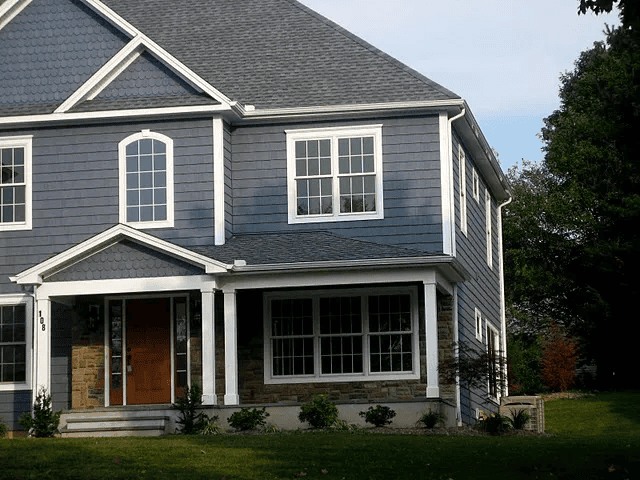
- Walk the exterior and note peeling, bubbling, chalking, or soft spots.
- Mark areas where caulk lines look cracked or missing around windows, trim, and fascia.
- Take note of any problem areas near rooflines, eaves, and places water runs off.
- Identify the materials you have on the exterior (trim, siding, and any mixed surfaces).
- Decide whether you want cosmetic coverage only or repairs included for failing areas.
- Ask how scheduling accounts for humidity and rain risk during the paint process.
- Confirm the prep steps that will be done before any coating is applied.
A representative Houston homeowner scenario
Imagine a homeowner in Houston who notices the front elevation looks dull and a few sections of trim paint have started to peel. They want a fast curb appeal refresh before guests arrive, but they also want the new finish to last through the next humid season.
After inspection, the key issue is not just the visible peeling. There are also failing caulk joints around a window and minor moisture-related deterioration along an edge where water collects. The recommended plan includes surface prep, targeted repairs, and a coating approach designed for the trim versus larger exterior areas. The result is a cleaner, more even look that matches the homeowner’s goal without ignoring the root cause.
Frequently Asked Questions
How do I know whether I need repairs or just exterior painting?
Start with what you can see and feel. If paint is peeling in flakes or sheets, if you notice bubbling or blistering, or if surfaces feel soft, those are repair indicators. Cracked or missing caulk around trim and windows is another clue because it can allow moisture behind the finish. A good exterior painting scope typically addresses failing areas first, then coats the rest for uniform curb appeal.
What should I ask a contractor about prep work?
Ask what preparation steps they will perform before applying paint. That includes how they will handle loose or peeling areas, how they will clean the surface, and what repairs they expect to make along joints and trim edges. You can also ask how they will ensure the surface is ready for coating so the finish looks even and holds up better under Houston humidity.
Does exterior painting in Houston require different planning than other places?
Houston conditions often mean you need more weather-aware scheduling. High humidity and rain risk can affect drying and curing, which impacts the final look. Planning the work around conditions helps the paint lay down properly and finish consistently across elevations. It is also a good idea to check areas where water collects, like eaves and corners, because moisture pathways can shorten paint life if they are not addressed.
Can I match a new paint color to my existing trim?
Matching is possible, but it depends on how consistent the existing coating still is. If older paint has chalked or faded, the “same” color can appear slightly different once you repaint. The safest approach is to plan for uniform coverage and confirm the color strategy before work begins. If you are repainting the trim and siding together, you can usually achieve a more cohesive curb appeal than patching isolated sections.
Will exterior painting help if my outdoor areas are being upgraded too?
Often, yes. When you are updating outdoor spaces, you want the exterior to look intentional rather than pieced together. For example, shade structures and outdoor upgrades can change the visible backdrop of the home. Coordinating painting with other exterior work can help you maintain a consistent look across elevations and the outdoor living areas you use most.
Ready for fresh curb appeal in Houston?
Share your exterior condition and your goals. All-Tex Home Improvement Services can help you plan the prep, repairs, and exterior painting approach that fits your home.
Contact All-Tex Home Improvement Services
All-Tex Home Improvement Services provides exterior home improvements for homeowners across Houston, TX and surrounding areas, focusing on exterior painting and related upgrades that improve curb appeal and the overall look of your property.
If you are searching for “exterior painting near me,” start with a clear scope. We help you identify what needs prep and repair so the finished exterior looks clean, consistent, and ready for everyday life outside.