
Why Your Screen Enclosure Keeps Letting Bugs In
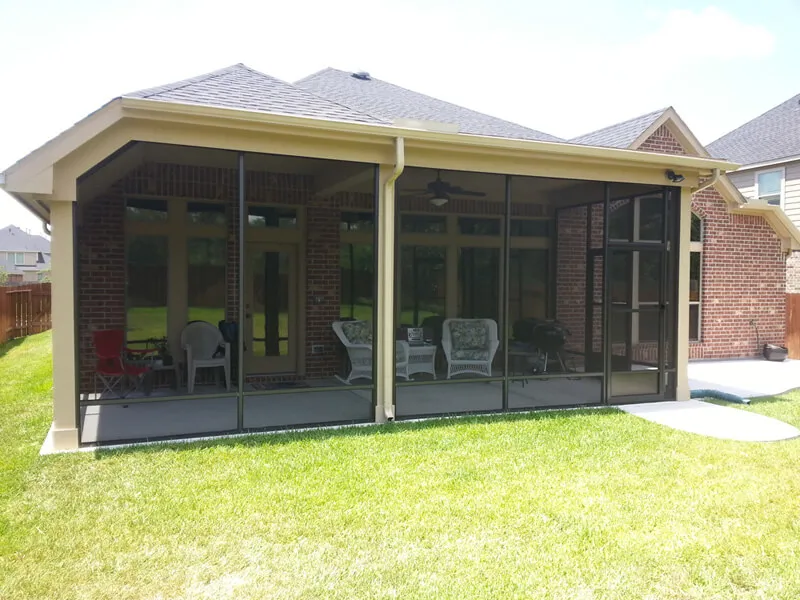
If you can hear bugs buzzing around your screened-in patio or porch in Houston, TX, it usually means the enclosure is no longer sealing the way it should. This guide walks you through the most common entry points, what to check first, and when it makes sense to repair or upgrade the system.
It starts small. You’ll notice a few gnats near the ceiling line, then a steady trickle of insects when the door is opened. Before you know it, your screened-in patio feels more like an outdoor waiting room than a comfortable extension of your home.
In Houston, screen enclosures are a big part of enjoying your backyard through warm seasons. But heat, humidity, wind-driven debris, and daily door traffic can gradually loosen the details that keep insects out. Below, you’ll learn how to pinpoint the likely leak points and what repairs typically fix the problem.
- Quick answer
- What to check first
- Main factors behind insect entry
- Local insight for Houston, TX
- Common mistakes to avoid
- Customer checklist
- Frequently asked questions
Quick Answer
If bugs are getting into your screen enclosure, the most common causes are gaps at the door or latch, damaged screen panels, and worn or missing weather stripping around the frame. Start with a careful visual inspection of corners, seams, and the bottom edge of doors, then check that screen panels are seated firmly in their tracks. For a long-term fix, address the source of the airflow path rather than only replacing a screen section. If you keep finding new entry points after cleaning or patching, it’s usually time for a professional enclosure assessment.
What to Check First
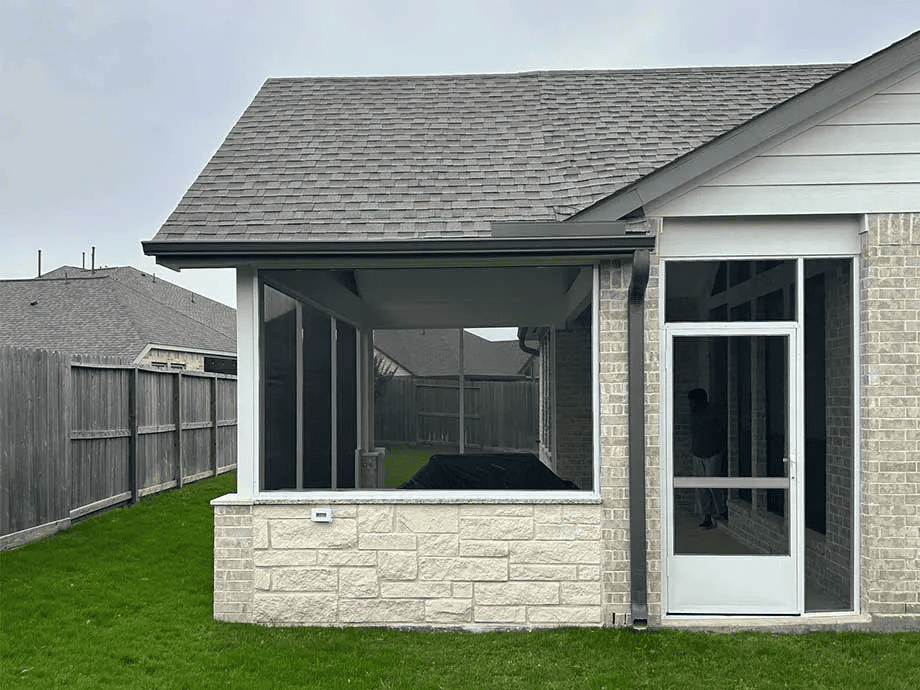
Walk the perimeter with a flashlight and check for openings where insects can slip through. Many enclosures look “mostly fine” from a distance, but tiny gaps along the frame or door edge can be enough to let bugs in, especially at night when they’re drawn to light.
Door edge and threshold
Look for gaps where the door meets the frame. Pay close attention to the bottom sweep area and the latch side, since those spots get the most wear.
Screen panel seams
Inspect corners and where panels meet. If you see bowing, loosened corners, or a panel that sits unevenly in its track, insects can find the path.
Frame corners and fasteners
Check for missing or loosened hardware, especially near corners. Even a small loosened connection can shift the frame enough to create a gap.
Professional observation: Most “mystery bug” complaints come down to air movement. When the enclosure isn’t sealing tightly, the airflow path along a door, track, or corner becomes an insect highway.
Main Things Customers Should Understand
Screen enclosures are only as effective as their seals, supports, and alignment. Over time, normal use and weather exposure can change how components fit together, which is why two enclosures built the same way can perform differently after a few seasons.
| Likely entry point | What you may notice | What’s usually needed |
|---|---|---|
| Door sweep or bottom seal | More insects when the door is used, or bugs gathering near the floor line | Adjust or replace the sweep and confirm the door closes evenly |
| Latch side gap | Light showing around the latch side, or inconsistent closure | Realign the door hardware and check the frame contact points |
| Screen panel seating | Loose corners, screen that looks “pulled,” or visible separation at seams | Re-seat panels in the track, replace damaged sections, and verify tension |
| Corner alignment after impact | Enclosure feels slightly “off,” or a corner looks slightly open | Inspect fasteners, check for shifts, and correct the structure if needed |
| Vent openings or transitions | Bugs appear near specific ceiling or wall transitions | Verify closures and screen integrity at transitions and penetrations |
Why This Matters in Houston, TX
In Houston, screened spaces get used more often because the weather supports outdoor living for much of the year. That extra foot traffic means door edges and screen panels take more daily stress. Heat and humidity can also affect materials over time, and strong wind events can nudge frames just enough to loosen a seal. If your enclosure was built to handle regular conditions but has lived through multiple seasons of use, the “small” gaps become the primary entry points.
Local homeowner tip: If you only notice bugs during certain parts of the day, start by checking where sunlight or evening lights hit. Insects often concentrate along the same airflow path that’s already leaking, which helps you narrow down the exact spot.
Common Mistakes to Avoid
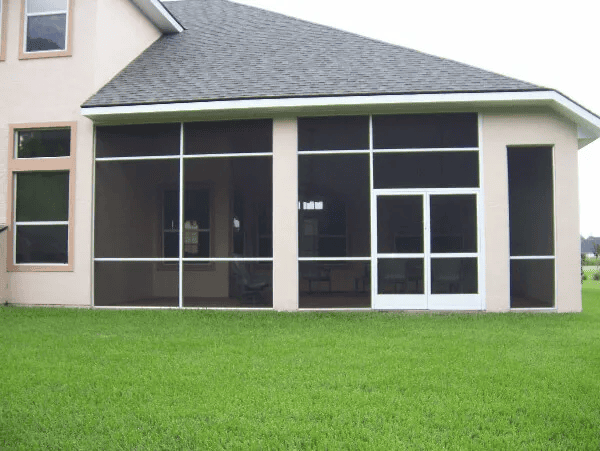
It’s tempting to patch the first visible problem you find, but insect entry is usually a symptom of a sealing or alignment issue. These are a few mistakes that keep the problem coming back.
- Replacing only the screen when the real issue is a gap at the door or frame contact point.
- Ignoring the bottom edge where insects can slip in even if the rest of the enclosure looks intact.
- Over-tightening or forcing panels into tracks that are out of alignment, which can create new separation.
- Assuming a “tight” closure means sealed if you cannot confirm contact around the latch and threshold.
- Skipping corner checks after the enclosure takes a hit from yard debris or seasonal storms.
Ready to stop the insect entry points for good?
If you’ve found gaps at the door, seams that won’t stay seated, or corners that look slightly shifted, All-Tex Home Improvement Services can help you diagnose what’s letting bugs in and what to repair next.
Schedule screen enclosure helpCustomer Checklist
Use this checklist during a quick walkthrough. If you find multiple issues, prioritize the ones that connect to a direct airflow path, like door sweeps and frame seams.
- Check the door sweep and bottom seal for even contact across the full width.
- Inspect the latch side for light gaps when the door is fully closed.
- Examine screen panel corners and seams for separation or loosened edges.
- Look along the frame for missing or loose fasteners at corners and transitions.
- Verify that screen panels sit uniformly in their tracks with no sagging.
- Test closure consistency: open and close the door several times and watch for shifting.
- After cleaning, re-check the areas where insects seem to gather most often.
A representative scenario from a Houston home
A homeowner in Houston noticed that bugs were worst near the doorway to their screened-in patio. The screen panels looked intact, but when the door was closed, there was a thin line of light near the latch side and the sweep didn’t look like it contacted the threshold evenly. After the door hardware was adjusted and the sweep alignment was corrected, the insect activity dropped significantly because the enclosure stopped “breathing” through the same gap.
Frequently Asked Questions
Why do I still get bugs even when my screen enclosure looks closed?
The enclosure can look closed while still having a small sealing gap. The most common causes are misalignment at the door or latch, a worn bottom sweep, or screen panels that are slightly out of seating at corners and seams. Insects only need a narrow opening to find their way inside, and airflow through that path becomes more noticeable when the door is used or when outdoor conditions change. Start at the door edge and work outward to corners and track lines.
Should I replace the whole screen, or can it be fixed?
Often, you can fix the issue without replacing the entire enclosure. If the problem is limited to one damaged screen section, re-seating or replacing that portion may solve it, especially when the frame and door seals are intact. But if bugs keep returning after screen patching, the underlying cause is usually the sealing path, such as door sweeps, latch alignment, or gaps created by frame shift. The best next step is to confirm where insects are entering before choosing the repair scope.
How can I tell if the problem is the door or the screen panels?
Do a simple “spot” inspection. With the door fully closed, use a flashlight to check for light around the latch side and bottom edge. Then inspect screen seams and corners for separation or uneven seating. If insects are concentrated near the doorway and you notice inconsistent closure contact, the door side is usually the culprit. If insects appear along a specific wall section or at a corner seam, focus on panel seating and frame transitions.
Can weather affect screen enclosure performance in Houston?
Yes. Houston’s hot, humid conditions and frequent outdoor use can accelerate wear on door sweeps and alignment details. Wind and seasonal debris can also shift frames slightly, creating tiny gaps. Even if the enclosure remains structurally sound, small changes at the seals and fasteners can increase airflow and allow insects to enter. If you’ve recently experienced a storm or impact from yard debris, re-check corners, tracks, and the door alignment.
What other exterior upgrades pair well with screen enclosures?
If you’re improving comfort around your outdoor living area, it often makes sense to consider related exterior upgrades. Many homeowners pair screen enclosures with sunrooms for flexible space, or with patio covers to reduce exposure to sun and rain. If your project includes broader exterior refresh, you might also explore replacement windows for a better overall building envelope.
Get a targeted enclosure repair plan
If you want your screened-in patio to feel like a true screen enclosure again, All-Tex Home Improvement Services can help you identify the exact entry points and choose the right next step. Call us at (281) 358-2553 or visit our website.
Contact All-Tex Home Improvement Services
All-Tex Home Improvement Services
Based in Houston, TX, All-Tex Home Improvement Services helps homeowners across Houston & surrounding areas with exterior home improvements, including screen enclosures and other outdoor comfort upgrades. If your screened area is letting bugs in, our goal is to identify the actual sealing and alignment issue and recommend practical repair options that restore the enclosure’s performance.
Explore related services like screened-in patio and porch enclosures or browse exterior options such as roof replacement when your project involves broader exterior maintenance.