
Screen Enclosures Near Me: Get Local Installation Today
If you want to enjoy your patio or porch without mosquitoes and debris, a properly designed screen enclosure can make outdoor living feel effortless. This guide walks you through what to check, what to decide, and how to choose the right local installer in Houston, TX.
You planned a relaxing evening on the patio, but by the time the sun starts to drop, the screens are the problem. Either insects get in through gaps, or the old enclosure looks tired and won’t sit right when the wind picks up.
If you are searching for “screen enclosures near me,” you are probably trying to balance comfort, airflow, and a clean look that fits your home. This article helps you understand the key choices that affect performance, including enclosure layout, screening options, and what to verify before installation in Houston, TX.
- Quick answer
- What to check first
- Main things customers should understand
- Why this matters in Houston, TX
- Common mistakes to avoid
- Customer checklist
- Frequently asked questions
Quick Answer
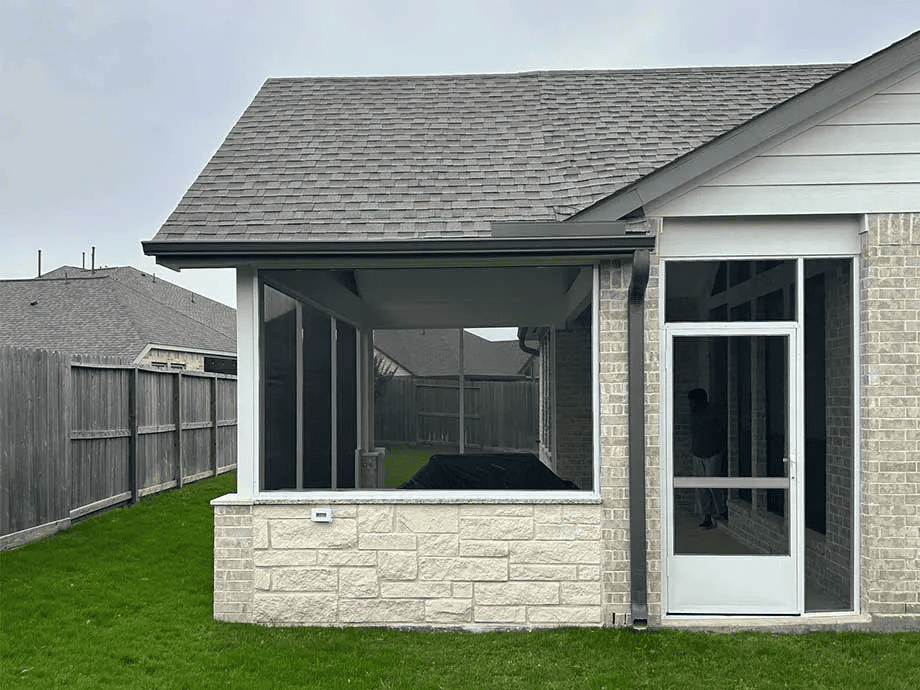
A screen enclosure should be custom-fit to your space with solid sealing at the perimeter and a layout that matches how you actually use the area. In Houston, TX, focus on an enclosure that handles wind-driven debris and keeps insects out without blocking airflow. Before you decide, confirm measurements, door placement, and how the screens connect to existing structures. If you already have outdoor cover systems, it also helps to align the enclosure with your patio or porch plan so everything looks intentional and functions together.
What to Check First
Before you compare options, start with the basics that determine how well the enclosure performs. The most common issues we see are preventable when homeowners confirm the enclosure’s boundaries, access points, and how it will transition from open air to screened space.
Use pattern
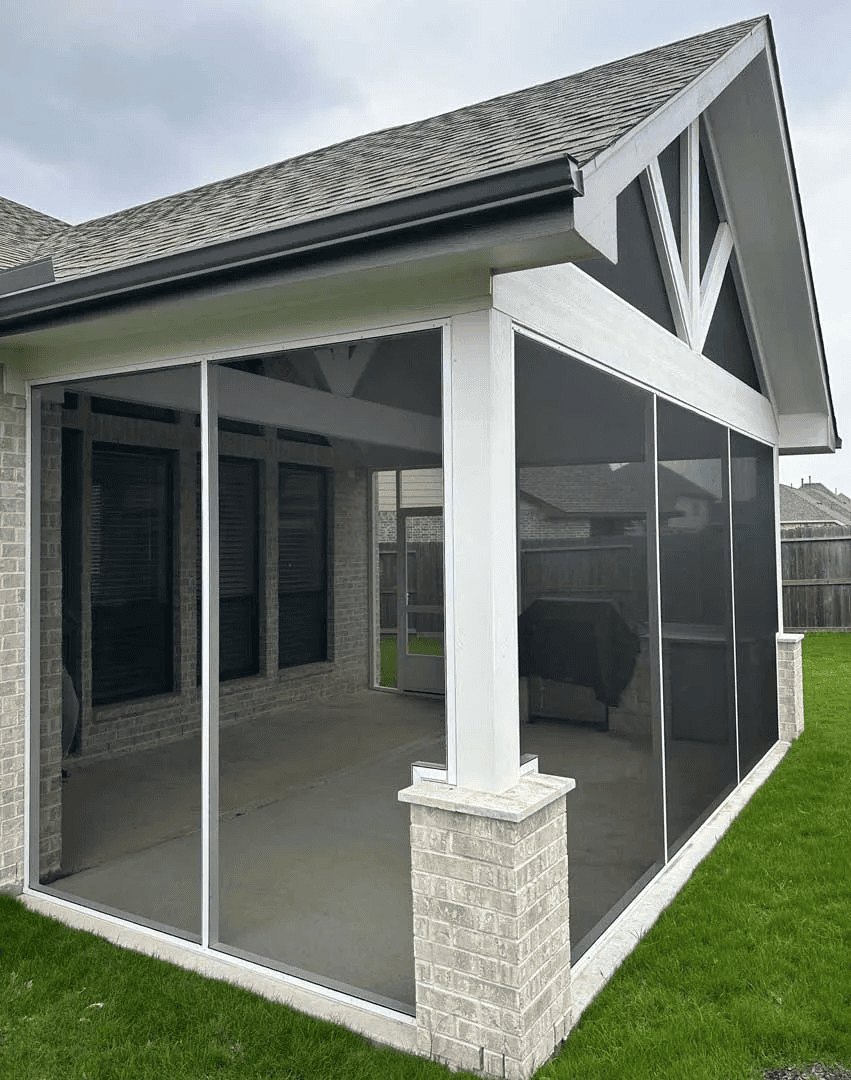
Think about where you sit, where you store grilling tools, and how you move between the house and patio. Door location and panel layout matter more than people expect.
Existing structure
Check whether your porch ceiling, posts, or patio cover can support the enclosure connections. If surfaces are uneven, the fit may require additional planning.
Sealing details
Gaps at corners, around doorways, or at transitions can defeat the purpose. Ask how the enclosure will seal where it meets the home.
Main Things Customers Should Understand
Screen enclosures are more than “screens around a frame.” The best results come from matching the enclosure design to your home’s architecture and your goals for comfort and usability.
Professional observation: In Houston, TX, enclosures that feel “tight” and look clean are usually the ones with good perimeter fit and a door plan that prevents constant adjustments. When the enclosure is built to work with your space, daily use feels natural.
1) Layout: panels, corners, and door placement
A good screen enclosure should reduce awkward stepping and make it easy to access the patio without fighting the space. Door placement affects how you move furniture, clean the area, and bring items in after a delivery.
2) Material and screening choices
For insect control and everyday durability, the key is selecting screening and frame components that match your environment. In areas that get heavy outdoor activity, you also want a plan that keeps the enclosure usable year-round.
3) Weather and wind realities
Houston-area weather can swing from bright, hot days to sudden storms. Even when the enclosure is “outdoors,” it still needs a secure connection strategy so the enclosure stays aligned and the screens remain effective after wind and debris exposure.
4) Integration with patio covers and porches
If you are building a new outdoor setup, think about the enclosure as part of the whole outdoor system. Many homeowners pair screen enclosures with shade structures so the patio is usable in more seasons. If you already have a plan for a covered outdoor area, aligning the enclosure design with it helps the final look stay cohesive.
Customer-focused tip: If you are considering a screened-in patio or porch enclosure, it often makes sense to plan the enclosure and your outdoor cover together so the lines, transitions, and access points feel coordinated.
If your main goal is an enclosed outdoor living area, you may also want to compare related solutions like screened-in patio and porch enclosures to see how the design approach differs from simple screen panels.
Why This Matters in Houston, TX
Houston homes often feature patios, porches, and backyards designed for shade and airflow, which makes screen enclosures a natural fit. The challenge is keeping the enclosure effective when wind-driven debris and insects show up, while also preserving the open feel homeowners want.
| Decision point | What to consider in Houston, TX | Practical outcome |
|---|---|---|
| Perimeter fit | Transitions around the home and corners should be sealed so insects cannot find gaps. | Cleaner, more effective insect protection day to day. |
| Door usage | Choose door placement that matches how you enter and exit during grilling, cleaning, and furniture moves. | Less frustration and fewer adjustments over time. |
| Integration with shade | Coordinating with patio covers can help reduce direct sun and make evenings more comfortable. | A more usable outdoor space across seasons. |
| Debris resistance | Wind and storms can push yard debris toward outdoor openings. | Better long-term enclosure performance and a neater look. |
If you want to strengthen the overall outdoor setup, you can also pair screening with shade systems. For example, homeowners often start with outdoor patio covers in Houston before planning the enclosure around the covered area.
Ready to plan your enclosure?
Call All-Tex Home Improvement Services in Houston, TX to discuss your patio or porch layout and what it will take to get a clean, functional screen enclosure.
(281) 358-2553Common Mistakes to Avoid
Even when homeowners choose the right general idea, small planning misses can create big day-to-day problems. These are the most common issues we see when screen enclosures are not matched to the space.
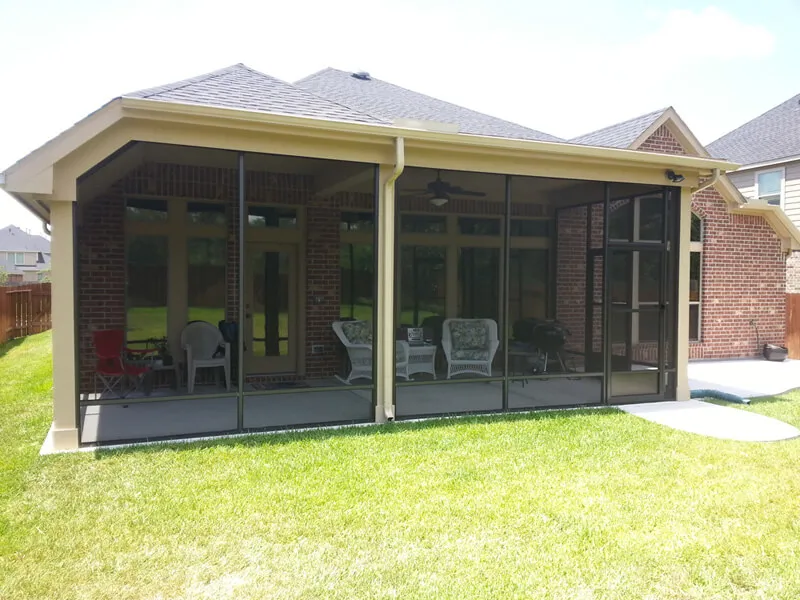
- Choosing a layout without considering how you move furniture, grill tools, and everyday items in and out.
- Assuming a one-size-fits-all frame will seal correctly at corners, doorways, and where the enclosure meets the home.
- Planning screening without thinking about shade and rooflines, which can affect comfort and how often you use the space.
- Ignoring transitions between the enclosure and existing features like patio covers, posts, or porch structures.
- Waiting until the enclosure is installed to address related exterior needs that can affect fit and appearance.
Customer Checklist
Use this quick checklist to stay organized when you are comparing options for screen enclosures near you. It is designed to help you ask better questions and spot potential red flags before installation begins.
Practical recommendation: Bring a few measurements and photos of your patio or porch, then walk through the plan with your installer focusing on access points, sealing details, and how the enclosure connects to existing structures.
- Confirm the enclosure boundaries: exactly where the screens will start and stop.
- Map your doors and walkways: where you will enter, where you will store items, and where you will clean.
- Ask how perimeter sealing works at corners, edges, and door frames.
- Verify that the enclosure integrates cleanly with your patio cover or porch structure.
- Discuss screening durability and how it will hold up to everyday use in Houston, TX.
- Plan for related exterior updates if your home’s exterior surfaces need attention before installation.
A representative scenario (Houston homeowner)
A homeowner in Houston, TX wanted to reclaim their back patio after repeated insect issues made evenings uncomfortable. They had a patio cover already, but the existing screened area did not fully seal at the edges, and the door opening was awkward for carrying out grilling items. The project focused on rebuilding the enclosure layout around the actual traffic pattern, tightening perimeter connections, and aligning the enclosure with the covered outdoor area so it looked intentional and felt usable right away.
If your outdoor plan includes upgrades beyond screening, you might also explore complementary exterior projects such as custom pergolas and patio covers in Houston to support a unified outdoor design.
Frequently Asked Questions
How do I know if I need a screened-in patio enclosure or a different outdoor improvement?
If your main issue is insects and debris getting into the space, a screen enclosure is usually the right fit. If shade and comfort are also major concerns, pairing screening with a patio cover can make the space usable more often. When you share how you use the area (where you sit, how you access doors, and whether grilling is part of your routine), it becomes easier to choose a layout that matches your lifestyle.
Will a screen enclosure still feel “open” instead of closed in?
Yes, it can. The main goal is to block insects without trapping the space. A good enclosure design keeps airflow in mind while using tight perimeter fit where it matters most. Door placement also affects how the area feels in daily use. Homeowners in Houston often want that balance: protection when the bugs are active, but an outdoor experience that still feels connected to the backyard.
What should I look for when comparing screen enclosure installers?
Look for installers who talk through layout decisions, sealing details, and how the enclosure connects to your existing patio or porch structure. Ask how corners, edges, and doorways are handled because those are common problem spots. It also helps to confirm that the plan aligns with your outdoor cover or porch features so the final result looks cohesive, not patched together.
Can screen enclosures work with existing patio covers or porches?
Often, yes. Many homeowners in Houston start with a covered patio or porch and then add screening to make the area more comfortable in bug season and during evening outdoor time. The key is making sure the enclosure is designed to fit your existing structure and transitions cleanly. When the enclosure is planned alongside your outdoor cover, the edges and access points tend to work better.
Should I address other exterior projects before installing a screen enclosure?
Sometimes. If the exterior surfaces or nearby exterior elements need attention for fit and appearance, addressing those items first can help the enclosure look better and function as intended. For example, if your home’s exterior finish needs updating, coordinating timing can prevent having to revisit areas after the enclosure is in place. A professional installer can help you spot what should come first based on your setup.
Get local installation guidance in Houston
All-Tex Home Improvement Services helps homeowners plan screen enclosures that fit their patio or porch and support everyday outdoor use in Houston, TX.
Schedule through All-Tex Home Improvement Services
All-Tex Home Improvement Services
All-Tex Home Improvement Services provides exterior home improvements for homeowners across Houston, TX and surrounding areas. Our work focuses on practical upgrades that help you enjoy your outdoor spaces more comfortably, including screen enclosures and related exterior projects such as home additions, replacement windows, and other exterior improvements designed to complement the way your home is used.
Prefer to talk through your patio or porch plan now? Call (281) 358-2553.