
Carport Cover Installation Near Me for Weather Protection
If your carport doesn’t shield vehicles well during Houston rain or intense sun, the fix is usually more than “adding a roof.” This guide walks you through what to check before a carport cover installation, how materials and drainage affect performance, and what a good plan looks like for Houston & surrounding areas.
It starts small: puddles after a storm, water dripping onto the driveway, or sun baking the interior before you even start the engine. Then you realize the carport cover you have is either too small, not pitched correctly, or it’s failing at the edges where wind-driven rain gets in.
If you are searching for a carport cover installation near me, you likely want weather protection that actually lasts. Below, you will learn how to evaluate the existing setup, what design details matter in Houston, and how to choose an approach that fits your home’s exterior improvements plan.
- Quick answer
- What to check first
- Main things customers should understand
- Why this matters in Houston, TX
- Common mistakes to avoid
- Customer checklist
- Frequently asked questions
Quick Answer
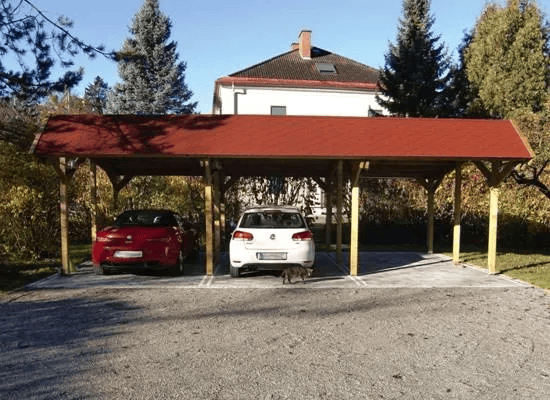
A carport cover installation should be planned around water shedding, wind exposure, and how the cover connects to your structure. Start by measuring the actual parking area you want to protect and check whether rain is escaping at seams, edges, or downspout-free runoff. For best weather protection in Houston, focus on proper pitch, secure attachment points, and a roofing material that fits your home’s exterior. A practical next step is to call All-Tex Home Improvement Services so you can review your current carport and discuss a design that matches your property needs.
What to Check First
Before you commit to a new cover, walk the perimeter and look for patterns. If water pools under the cover, the issue is often pitch, drainage path, or an obstructed discharge route. If you see rust, sagging, or fasteners that look aged, the problem may be structural support or attachment failure, not the roof surface alone. Make note of where wind-driven rain lands, because many “small” gaps at the edges cause most of the dripping you notice inside the protected space.
Coverage size
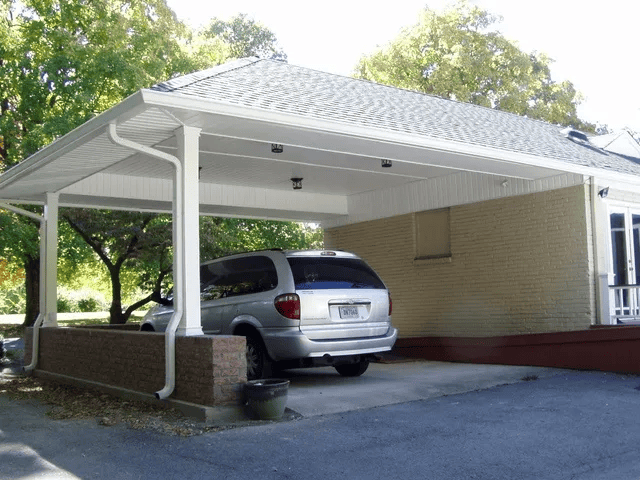
Confirm the cover extends far enough to shield doors and side panels, not just the roofline of the vehicle.
Drainage path
Identify where runoff will go. If water has nowhere to discharge, it will find a new route.
Attachment points
Check how the cover ties into the house or existing frame. Weak connections create leaks at seams.
Professional observation: In Houston, carport issues often show up at the edges first. When the roof cover meets beams, posts, or siding, the connection details decide whether wind-driven rain stays out or finds its way through.
Main Things Customers Should Understand
Carport cover performance depends on more than aesthetics. Materials, framing, and how water is directed all work together. Many homeowners also want the carport to blend with other exterior home improvements, so the design should match nearby features like patios, pergola-style structures, or siding and trim. When you plan the project, ask how the system will handle rain load, runoff direction, and long-term exposure to sun and humidity.
| Decision area | What it affects | What to ask during planning |
|---|---|---|
| Roof pitch and drainage | Whether water sheds away from vehicles and the driveway | How will runoff be directed and prevented from pooling? |
| Coverage footprint | How much of the vehicle stays dry on all sides | Will the cover extend enough beyond doors and mirrors? |
| Frame and post support | Stability during wind and seasonal movement | What support details keep the cover aligned over time? |
| Connection details | Leak resistance where the cover meets the home or existing structure | What attachment points and sealing approach will be used? |
| Material selection | Durability and appearance under sun exposure | Which roofing options fit the look you want and your weather needs? |
If you are already thinking about a coordinated outdoor upgrade, it can help to align the carport cover design with other structures. For example, some homeowners pair carport improvements with custom pergolas and patio covers in Houston to create a consistent exterior look across the yard. Others focus on enclosure projects and prefer a unified approach to materials and trim lines.
Why This Matters in Houston, TX
Houston weather creates a tough mix for carport covers: frequent heavy rain, strong gusts during storms, and intense sun that stresses exterior materials over time. That is why you will often see failures not in the middle of the roof, but at the perimeter. When wind pushes rain under the cover, small gaps at edges and seams can turn into noticeable dripping inside the protected zone. A well-planned installation in Houston considers how runoff moves during downpours and how the cover is secured against movement.
Local planning tip: If your carport area is near driveways, walkways, or patio spaces, think about where water will land. A cover that drains properly reduces slippery spots and helps protect nearby exterior surfaces.
Many homeowners in Houston also want their carport to complement other outdoor upgrades, especially if they entertain. If you are building toward a more usable backyard space, you may find it helpful to review related projects like outdoor patio cover installation or enclosure work. Those projects share similar concerns around coverage, drainage, and how the system ties into the home’s exterior.
Get a Carport Cover Plan for Your Property
All-Tex Home Improvement Services can review your current carport setup and help you map out a weather-protective cover design for your Houston home.
Contact All-Tex Home Improvement ServicesCommon Mistakes to Avoid
Homeowners usually notice the problem after the rain, so it is easy to focus only on the visible leak. The common mistakes are typically about the system around the leak. One frequent issue is choosing a cover based on size alone, without confirming where water will discharge. Another is ignoring attachment details, especially where the cover meets the house or existing frame. If the cover is not properly supported or aligned, it can sag over time and change how water sheds.
- Underestimating coverage: Leaving areas uncovered where doors, mirrors, or side panels sit during parking.
- Skipping drainage planning: Installing a cover without a clear path for runoff away from the driveway and the protected space.
- Overlooking edge details: Assuming the roof surface will prevent leaks even if seams and perimeter connections are weak.
- Mixing styles without coordination: Choosing materials that clash with your existing exterior home improvements, siding, or trim lines.
- Waiting for visible damage: Delaying until sagging or rust spreads can turn a straightforward fix into a larger rebuild.
Customer Checklist
Use this list to prepare for your conversation and make sure your carport cover installation addresses weather protection, not just surface coverage. If you can bring answers to these points, you will speed up the planning process and reduce surprises on install day.
- Measure your parking area: Note the length and width you want fully protected.
- Identify where water goes: After rain, watch where runoff lands around the carport.
- Check the perimeter: Look for stains, rust, loose sections, or gaps near edges and connections.
- Confirm attachment locations: If the cover ties into the house, note the surfaces it connects to.
- Decide on a unified exterior look: If you plan other updates, align the carport cover style with the rest of your exterior.
- Ask about the drainage approach: Make sure water shedding is part of the design plan, not an afterthought.
A Representative Houston Scenario
A homeowner in Houston had a carport cover that looked fine at first glance, but during storms they noticed dripping at the front edge and water pooling near the driveway. After checking the perimeter, it became clear that the cover’s runoff path was not directing water away from the protected area, and the edge connections were allowing wind-driven rain to work its way under the cover. The solution was not simply replacing the top layer. The project plan focused on coverage size, drainage direction, and secure connection details so the carport could reliably protect vehicles during heavy rain.
Frequently Asked Questions
How do I know if my carport cover needs a full replacement or just repairs?
Start by looking for patterns after rain. If water pooling happens consistently, it often points to drainage and pitch, which may require more than surface patching. If you see sagging, rusted components, or failing fasteners, the framing or connections may need attention. When the drip is concentrated at seams or edges, connection details are usually the deciding factor. A site review helps confirm whether the existing structure can support an upgraded cover or whether replacement is the safer path.
What design details matter most for weather protection?
For reliable protection, focus on coverage footprint, drainage direction, and edge connection details. A cover that is wide enough to protect doors and mirrors will reduce the “still wet when I open the door” problem. Proper pitch helps water shed away rather than pool. Finally, the perimeter where the cover meets posts, beams, or the home is where wind-driven rain often finds entry points. Planning these areas together is what improves performance during Houston storms.
Will a new carport cover match my home’s exterior improvements?
Yes, it can. Homeowners often want their carport cover to visually coordinate with other exterior elements like siding, trim, and nearby patio structures. If you are also considering upgrades such as exterior painting, siding replacement, or screened-in patio/porch enclosures, aligning the design choices can create a cleaner, more consistent look. Bringing those goals into the carport plan helps ensure the cover blends with the rest of the property instead of standing out.
Where should runoff be directed so the driveway stays safer?
Runoff should be directed away from where people walk and away from areas that tend to collect water. In practice, that means planning the drainage path as part of the cover design, not after installation. Watch where water lands during the next storm and note whether it creates puddles near the driveway edge or near doors leading into the home. A weather-protective plan will aim to keep water from re-entering the protected zone and from creating slippery areas around the carport.
Can I plan a carport upgrade alongside other outdoor projects?
Absolutely. Many homeowners coordinate carport cover installation with other exterior improvements so materials and lines stay consistent. If you are building toward more outdoor living space, you might also look at custom deck work or backyard outdoor kitchen planning. If you want to keep your exterior cohesive, it helps to discuss your larger goals so the carport cover complements the surrounding structures instead of competing with them.
Ready to Improve Weather Protection in Houston?
For carport cover installation near me with a practical, weather-focused plan, contact All-Tex Home Improvement Services.
(281) 358-2553
All-Tex Home Improvement Services
All-Tex Home Improvement Services provides exterior home improvements for homeowners across Houston, TX and Houston & surrounding areas. Their exterior-focused approach helps customers plan durable, weather-ready upgrades like carport covers, patio covers, pergola and outdoor structures, and related exterior work.
Explore additional services on the site, including carport cover builders in Houston, roof replacement in Houston, and replacement windows.