
If your screened-in patio in Houston starts letting in bugs, pooling water, or sagging around the frame, it is usually not a “mystery.” Most failures show up as clear warning signs you can catch early. This guide helps you spot the problems, understand what typically causes them, and decide what to check before you commit to repairs or upgrades.
Last summer, you finally got the screened enclosure you wanted. Then the small issues started. A few gaps around the frame. A door that does not latch smoothly. Water that seems to stay longer after a rain. By the time the heat hits, the enclosure feels less “sealed” and more like an open invitation for insects and humidity.
In this guide, you will learn the warning signs that screen enclosures fail in real homes around Houston, the likely causes behind each symptom, and what to inspect first. You will also get a practical checklist you can use before calling for screened enclosure repairs or related exterior work.
- Quick answer
- What to check first
- Main things customers should understand
- Why this matters in Houston
- Common mistakes to avoid
- Customer checklist
- Frequently asked questions
Quick Answer
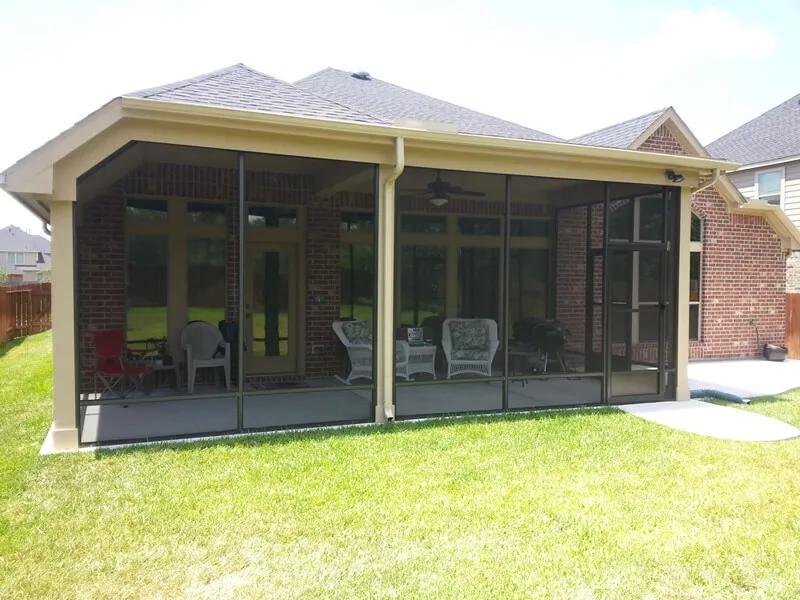
Most screen enclosure failures start with small gaps, poor drainage, or frame alignment issues that get worse with Houston heat, humidity, and storms. If you notice insects getting in, doors that do not seal, sagging screens, or water pooling after rain, stop assuming it is “just the screen.” Start by checking the perimeter seals, door track alignment, and how water sheds off the roof or overhead structure. The practical next step is to have the enclosure inspected so repairs address the root cause, not only the visible screen damage.
What to Check First
When a screened enclosure fails, it rarely fails in only one place. Start with the areas that should do the most work: the perimeter where screens meet the structure, the door or gate system, and the overhead drainage path. These checks help you separate “screen-only” issues from frame or installation problems that can lead to recurring failures.
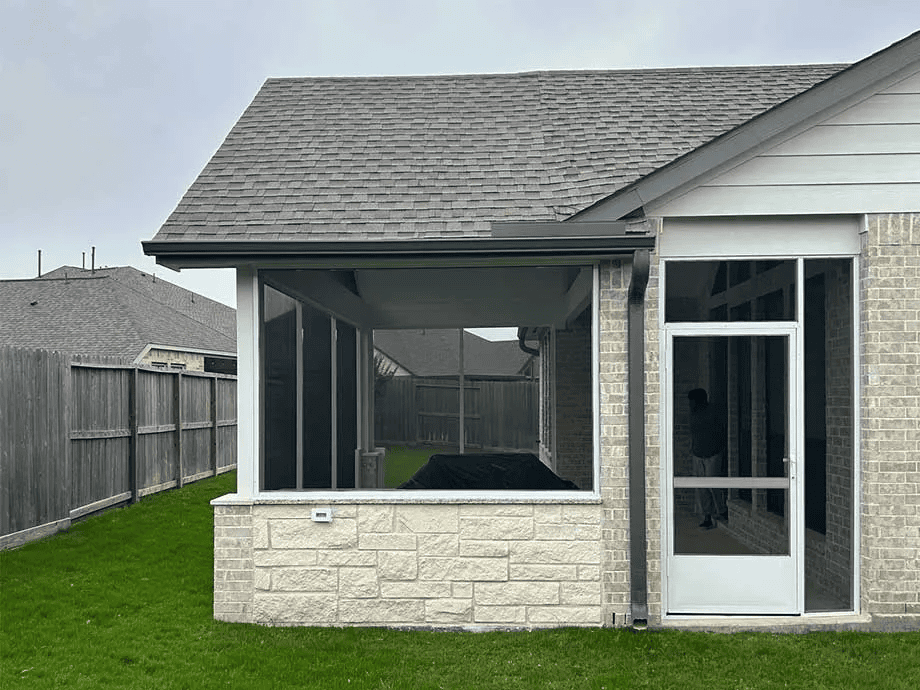
Professional observation: Most recurring enclosure problems in Houston begin at the interfaces where the frame meets the building and where water should be directed away. If those interfaces drift over time, the screens can look like the problem even when the frame is the real issue.
1) Perimeter gaps
Walk the perimeter and look for consistent spacing between screen edges and the frame. Small, uneven gaps often mean the frame has shifted, fasteners have loosened, or the sealing surface has worn. If you can see daylight or feel drafts, insects will find the same path.
2) Door alignment and latch behavior
Try opening and closing the door several times. A door that drags, does not sit flat, or requires extra force is a warning sign. Even slight misalignment can compromise the seal and create a pathway for bugs and moisture-laden air.
3) Screen tension and sag
Look for screens that appear “baggy” or pull away from their tracks. Sagging can happen when components loosen or when the enclosure structure settles. If you replace only the screen mesh without addressing tension or framing, the enclosure can fail again.
4) Water shedding and pooling
After rainfall, check whether water sits on ledges, collects near corners, or runs toward the screen system instead of away from it. In humid conditions, trapped moisture can accelerate deterioration of fasteners and contribute to sagging over time.
Common symptom
Insects getting in around corners or where the door meets the frame.
Most likely starting point
Perimeter sealing and door track alignment.
What to avoid
Only swapping the screen without checking the frame interfaces.
Main Things Customers Should Understand
Screen enclosure failures are usually the result of a few repeatable conditions. Below are the most common “root causes” we see when homeowners call about screened-in patios and porch enclosures, especially in climates like Houston where humidity and heavy rain seasons put real stress on outdoor systems.
Frame movement and loosening over time
Even a strong enclosure can experience gradual movement due to thermal expansion and contraction, wind exposure, and how the structure was originally secured. When the frame shifts, the screen system loses its intended alignment, and gaps form.
Improper drainage and water exposure
Water needs a clear path away from the enclosure. If the overhead structure does not shed water effectively, moisture can linger near joints and hardware. Over time, that can worsen sagging, loosen components, and contribute to premature wear.
Door and track wear
Doors are the most used part of the enclosure. Repeated use in humid conditions can affect how smoothly rollers and tracks operate. If the door cannot seat correctly, the screen system becomes less effective at keeping insects out.
Screen system mismatch
Not every enclosure is built to the same specifications. If the screen material, track style, or tension method does not match the enclosure’s design, the system can fail sooner than expected. That is why an inspection matters, especially if the enclosure is older.
Customer-focused takeaway: When multiple warning signs show up at once, it often points to an interface or installation issue. A careful look at the frame, sealing points, and drainage usually leads to the most lasting repair plan.
| Warning sign | What it often indicates | What to inspect next |
|---|---|---|
| Insects entering near corners | Perimeter gaps or worn sealing points | Perimeter joints and screen-to-frame contact |
| Door does not latch cleanly | Track alignment or door seating issue | Door track, rollers, and latch contact points |
| Sagging screens | Loosened components or frame shift | Screen tension method and attachment points |
| Water pooling after rain | Drainage path not directing water away | Overhead structure runoff and low spots near joints |
Why This Matters in Houston
Houston’s hot, humid stretches and periodic heavy rain can accelerate wear on outdoor enclosure systems. When moisture stays around the same joints and hardware, it can contribute to loosening and sagging. If you have a screened-in patio or porch enclosure that sits under an overhead structure, the way that roofline directs runoff becomes just as important as the screen itself. The goal is a system that stays aligned and sheds water consistently through the seasons.
For homeowners who are also planning other outdoor upgrades, it can help to think about the enclosure as part of the broader outdoor living setup. For example, if you are considering a screened-in patio or porch enclosure, pairing the enclosure work with an overhead solution can reduce recurring issues tied to water exposure.
Common Mistakes to Avoid
It is easy to treat screen enclosure problems like a simple “replace the mesh” job. Unfortunately, that approach can backfire because the screen is often the first thing you notice, not the first thing that failed. Here are the most common mistakes customers make before repairs.
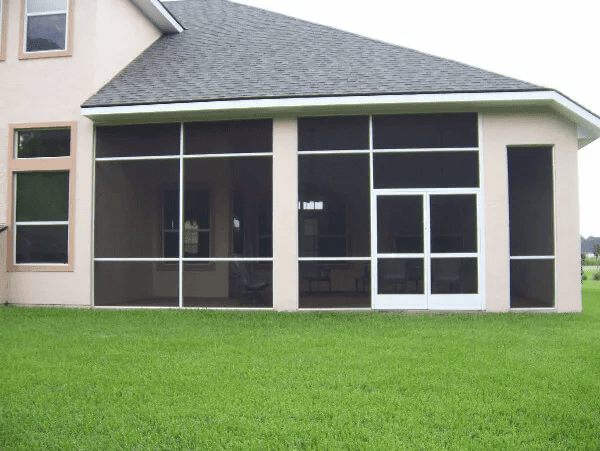
- Replacing screen mesh without inspecting the frame when gaps keep returning.
- Ignoring door latch behavior because insects and humidity enter through the door seal first.
- Assuming pooling water is normal instead of checking the drainage path and overhead runoff.
- Overtightening or forcing tracks which can create new misalignment rather than fixing the underlying issue.
- Skipping a full perimeter inspection when the problem shows up in one corner, since the cause may start elsewhere.
Customer Checklist
Use this quick checklist before you call for help. It helps you describe the problem clearly and gives you a starting point for an inspection. If you can, note when the problem shows up most, such as after rainstorms or during the hottest weeks of the year.
What to document: Take a few minutes to note where gaps are worst, whether the door drags, and whether water pools after rain. Clear observations help technicians focus on the root cause.
Seal and gaps
- Any daylight at corners or edges?
- Drafts you can feel near the perimeter?
Door operation
- Does the door latch without extra pressure?
- Any dragging or uneven movement?
Water behavior
- Where does water collect after rain?
- Does runoff go away from the enclosure?
Representative scenario
A homeowner in Houston reports that bugs started getting into the screened patio after a storm. The door still “works,” but it now closes with more resistance. After the next rain, they notice water lingering near one corner of the enclosure. An inspection focuses on perimeter interfaces and the door track seating, then reviews the runoff path above the enclosure to confirm the system is not repeatedly getting wet in the same places. The repair plan targets the underlying alignment and drainage issues so the screen system can perform as intended.
Get your enclosure checked in Houston
If you are seeing insects, sagging screens, or water pooling, the fastest path to a lasting fix is an inspection that identifies the root cause. All-Tex Home Improvement Services can help you understand what is failing and what repair options make sense for your screened enclosure.
Call (281) 358-2553Frequently Asked Questions
Can a screen enclosure fail even if the screen mesh looks mostly fine?
Yes. The screen mesh can look intact while the enclosure still fails due to perimeter gaps, door alignment issues, or frame movement. If you notice insects entering, drafts, or water pooling after rain, it often points to a sealing or drainage problem rather than a damaged mesh panel. The practical step is to inspect how the screen meets the frame and how the door seats during closing.
What is the most common reason doors stop sealing properly?
Most door sealing problems come from track alignment and wear at the door system, not from the screen itself. Even slight misalignment can prevent the door from seating correctly, which creates a pathway for insects and humid air. In Houston, heavy rain and ongoing expansion and contraction can make alignment issues more noticeable over time. A targeted check of the door track, rollers, and latch contact points usually reveals the root cause.
Why does water pooling matter for screened patios?
Pooling water can accelerate wear on hardware and contribute to sagging or loosened components. Humid conditions can also make it harder to keep outdoor areas feeling comfortable. If you consistently see water collecting in the same corner or along the perimeter after rain, it is a sign that the drainage path may not be shedding water away from the enclosure system. Fixing drainage and interfaces helps prevent the problem from returning after a screen-only repair.
Should I replace the screen first, or wait for an inspection?
If the enclosure is letting in bugs, has gaps, or shows door and drainage issues, it is usually better to wait for an inspection before replacing the screen. Mesh replacement can address the visible symptom but often does not correct the underlying issue causing misalignment or recurring gaps. An inspection helps identify whether the failure is interface-related, door-related, or drainage-related, so the repair plan targets what is actually driving the problem.
Can related exterior projects affect how well a screen enclosure performs?
They can, especially if the work changes the surrounding structure or overhead surfaces where runoff and attachment points matter. For example, improving the outdoor setup with solutions like outdoor patio covers, custom pergolas, or other exterior updates can influence how water moves and how the enclosure interfaces with the home. It is smart to coordinate the enclosure repair approach with any nearby exterior improvements.
Ready to restore comfort to your screened-in space?
All-Tex Home Improvement Services helps homeowners in Houston and surrounding areas address exterior home improvement issues, including screen enclosures and related outdoor upgrades. If you want your patio enclosure to block insects, seal properly, and shed water the right way, contact us for an inspection-focused conversation.
Visit alltexexteriors.com
All-Tex Home Improvement Services specializes in exterior home improvements for Houston homeowners looking to protect and upgrade their outdoor living spaces.
Whether you are dealing with screen enclosures or planning complementary work like exterior painting or replacement windows, our approach focuses on practical, homeowner-friendly solutions that address the root cause of the problem.