
How to Tell If You Need Replacement Windows
If your home in Houston feels drafty, your rooms swing hot and cold, or your window units look worn, you are not imagining it. This guide walks you through the visual signs, performance clues, and practical steps to help you decide whether repair is enough or replacement windows are the smarter move.
It starts subtly. A bedroom near the front feels cooler in the morning, the living room gets stuffy during the afternoon, and you notice condensation where you did not used to. Then summer humidity in Houston turns those small annoyances into real comfort problems.
If you are wondering whether you should keep trying to patch the old units or plan for replacement windows, the right decision comes down to what you can observe and what you can measure. Below, you will find a homeowner-friendly way to check for the most common window failure points, plus what they usually mean for your home’s energy efficiency and everyday usability.
- Quick answer
- What to check first
- Main things customers should understand
- Why this matters in Houston
- Common mistakes to avoid
- Customer checklist
- Frequently asked questions

Quick Answer
If you see failed seals (fogging between panes), persistent drafts, window frames that do not open or close smoothly, or water damage around the unit, replacement windows are often the practical next step. For many Houston homes, humidity can make condensation more noticeable, but the underlying issue is usually the window’s insulating performance or air leakage. Start by checking for fogging, leaks, and operational problems, then compare your findings room by room. If multiple windows show the same symptoms, schedule a professional evaluation so you do not waste time on repairs that cannot address the root cause.
What to Check First
Before you assume “it must be the windows,” take a systematic look at what is actually happening at the window opening. Small clues can point to failed seals, air leakage, or installation issues that are visible without special tools.
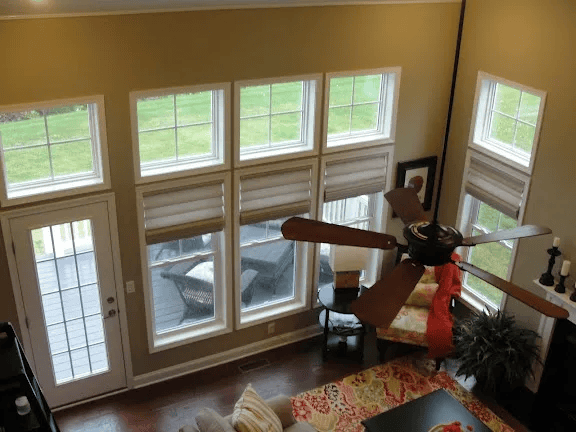
Check for fogging between panes
Condensation inside the glass unit is a strong sign the insulating seal has failed. Surface-level moisture is different, and that distinction matters.
Look for drafts and air leaks
When you feel cold air near the frame or notice uneven temperatures, it can mean the window is not sealing tightly.
Inspect the frame and trim
Pay attention to swelling, soft spots, peeling caulk, or staining around the interior trim. Those are clues that water or moisture has been getting in.
Main Things Customers Should Understand
Replacement windows are not just about appearance. The best time to replace is when the window’s insulating and weather-resistance performance has dropped enough that it affects comfort, humidity, and usability. Here are the factors that usually drive the decision.
Professional observation: Many homeowners in Houston notice comfort changes first, then discover the pattern matches certain windows. When the same units have fogging, sticking, or visible moisture at the edges, it is usually the window system itself, not just a “drafty room.”
| What you notice | What it can indicate | What to do next |
|---|---|---|
| Fogging or haze between glass panes | Failed insulating seal, loss of insulating performance | Plan for replacement rather than surface cleaning |
| Persistent drafts around the frame | Air leakage due to worn seals, misalignment, or aging components | Have the unit and installation checked, room by room |
| Sticking, difficulty locking, or uneven opening | Operational wear, warped components, or damage over time | Confirm if the window can be repaired safely and effectively |
| Moisture stains or peeling caulk near the interior | Water intrusion or failing exterior sealing | Inspect the full opening, not only the interior trim |
| Visible rot, swelling, or soft spots in nearby trim | Prolonged moisture exposure | Address the window and the affected materials together |
Firsthand-style industry observation: In Houston homes, humidity can make window issues show up faster. I often see condensation concerns that start around the edges of the unit, then progress to fogging between panes as the seal continues to fail. When that happens, the window stops insulating properly, and the indoor comfort swings become harder to ignore.
Why This Matters in Houston
Houston’s heat and humidity can expose weaknesses in older windows more quickly than in milder climates. During summer, leaky or poorly insulating windows can let conditioned air escape and bring in humid outdoor air, which can increase condensation risk. In many homes, older window systems also interact with other exterior components, like siding and trim, so a window problem may be tied to a broader envelope issue.
If you are already thinking about exterior improvements, it can help to coordinate window decisions with the rest of your home’s exterior work. For example, if you are considering replacement windows alongside other updates, planning the order of work can reduce the chance of redoing trim or sealant later.
Screen enclosures and airflow
Some homeowners notice comfort changes after upgrading outdoor spaces. If indoor windows are the weak link, you will feel it indoors even after outdoor improvements. Consider screen enclosures as part of the bigger home comfort picture.
Exterior sealing and appearance
If you are seeing moisture at the opening, the surrounding exterior matters. Pairing window decisions with exterior painting can help refresh protection and curb appeal after repairs.
When siding is part of the problem
If the window surround overlaps with siding areas, it may be time to evaluate the broader exterior. For homeowners planning bigger envelope work, siding replacement may be worth discussing during your window decision.
Ready to confirm whether it is time for replacement?
Bring your observations and let All-Tex Home Improvement Services help you narrow down what is causing drafts, fogging, or moisture around your windows in Houston.
Contact All-Tex Home Improvement ServicesCommon Mistakes to Avoid
Homeowners usually do not lack good intentions. The common mistakes are usually about timing, assumptions, and trying to treat symptoms instead of the underlying problem.

- Replacing only one window when multiple units show the same seal or air-leak symptoms, which can leave uneven comfort room to room.
- Assuming condensation is always “from inside” without checking whether it is between panes or only on the interior surfaces.
- Focusing only on the interior and ignoring what is happening at the exterior sealing and trim line.
- Waiting too long with operational problems like windows that stick or do not lock smoothly, which can lead to bigger damage.
- Trying cosmetic fixes only (new caulk on top of failing seals) when the insulating performance has already dropped.
Customer Checklist
Use this quick checklist before you call for help. It gives you a clear picture of what you are seeing and makes it easier for a contractor to evaluate your specific situation.
- Note which rooms have the biggest comfort issues (drafts, hot spots, or humidity).
- Check each window for fogging between panes, not just surface condensation.
- Inspect around the interior trim for peeling caulk, stains, or soft spots.
- Open and close each window slowly and note sticking, uneven movement, or locking difficulty.
- Look for visible gaps around the frame and signs of aging or warping.
- Take a quick photo of each affected window from inside (for your own reference) and write down what you see.
Representative Scenario
A homeowner in Houston notices their front room feels noticeably cooler at night, even when the thermostat is set the same as other rooms. Over time, they also see a faint haze inside the window glass and peeling caulk near the inside edges. After checking more windows, they find the pattern is limited to the same side of the house. Instead of replacing trim sealant repeatedly, they schedule an evaluation and confirm the issue is consistent with failed insulating performance. That leads to a replacement plan that restores comfort and helps reduce ongoing moisture-related concerns.
Frequently Asked Questions
How can I tell the difference between condensation and a failed window seal?
Surface condensation appears on the interior glass surface and can often be linked to indoor humidity and temperature differences. Failed window seals typically show up as fogging or haze between the panes, where you can see moisture trapped inside the sealed unit. If you notice fogging that does not clear like normal condensation, it is a strong clue the insulating seal has failed and replacement windows may be the practical path.
Do drafts always mean I need replacement windows?
Drafts can come from several issues, including worn weatherstripping, gaps at the frame, or installation-related sealing. Sometimes the problem can be addressed with repairs, but persistent drafts across multiple windows usually point to a broader sealing or performance failure. The best next step is to document where drafts happen and whether the window units show other symptoms like sticking, moisture stains, or fogging between panes.
What signs of water damage should I look for around windows?
Check for peeling or cracked caulk, staining on interior trim, bubbling paint near the opening, or any soft spots in nearby wood. If you see moisture on the interior side repeatedly, it can indicate an exterior sealing issue or a failed window component. In Houston, higher humidity can make moisture concerns more noticeable, so it is worth investigating the window opening as a system, not only the inside finish.
Should I replace all windows at once?
Not always, but it depends on the condition of the units. If only one window shows fogging or operational failure, you may be able to address that area first. If multiple windows on the same side of the home share the same symptoms, replacing them together can help you avoid uneven comfort. A professional evaluation can help you decide which units should be prioritized based on performance and visible deterioration.
Can window replacement help with indoor comfort in Houston?
Yes. Replacement windows are designed to improve insulation and help reduce air leakage when compared to worn, aging units. When windows have failed seals or compromised weather resistance, homeowners often feel temperature swings and increased humidity near the glass. Upgrading the affected windows can make rooms feel more even and can reduce ongoing condensation concerns.
Get a clear recommendation for your Houston home
If you are seeing fogging, drafts, or moisture around your window openings, All-Tex Home Improvement Services can help you confirm what is causing the problem and what the next step should be.
Call (281) 358-2553
About All-Tex Home Improvement Services
All-Tex Home Improvement Services provides exterior home improvements for homeowners across Houston, TX and surrounding areas. Our focus includes exterior painting, siding replacement, screen enclosures, sunrooms, and replacement windows designed to improve comfort and curb appeal. If you are trying to decide whether your windows need repair or full replacement, our team will help you evaluate the symptoms you are seeing and plan the most practical next step for your home.