
If your screen enclosure in Houston is letting in more bugs and rain than it used to, the problem is usually more than just a torn screen. Small issues can spread into bigger failures involving the frame, corners, fasteners, and drainage. This guide walks you through the most common failure points and what to check before you commit to repair work.
You notice it during the evening cookout. One month the enclosure feels tight, the next month you are dealing with wind-driven bugs, fluttering mesh, and water pooling after a storm. In Houston, those enclosure problems can show up fast because heat, humidity, and heavy rain stress materials and connections.
This guide helps you understand what usually goes wrong with screen enclosures, how to identify the source of failure, and when a repair is the practical next step. You will also get a homeowner checklist you can use to prepare for a professional inspection.
- Quick answer
- What to check first
- Main things customers should understand
- Why this matters in Houston
- Common mistakes to avoid
- Customer checklist
- Frequently asked questions
Quick Answer
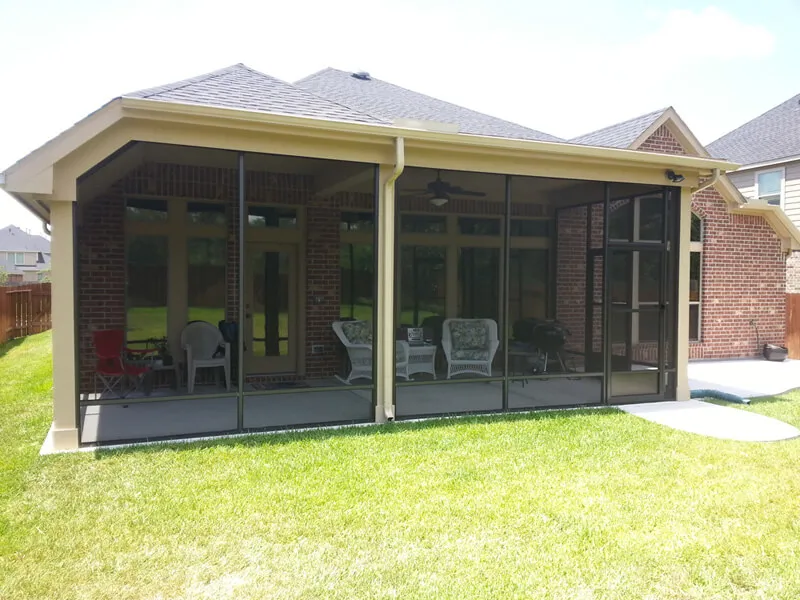
Most screen enclosure failures start at the weak points: frame alignment, corner connections, worn or loose fasteners, and drainage that sends water toward the mesh or tracks. If you see gaps, sagging sections, or screens that keep pulling away, repairing only the screen may not solve the cause. A practical next step is to inspect the perimeter first, then check the screen tension and the water path after rain. If the frame looks out of square or you notice repeated loosening, plan for a professional repair so the enclosure seals correctly and stays stable.
What to Check First
Start with the perimeter and corners. Walk the enclosure and look for visible gaps where the screen meets the frame, especially at posts, header beams, and any transition points to your house or patio cover. If you notice the mesh bowing outward or pulling away in one section, that typically points to tension issues or a loosened track.
Look for airflow leaks
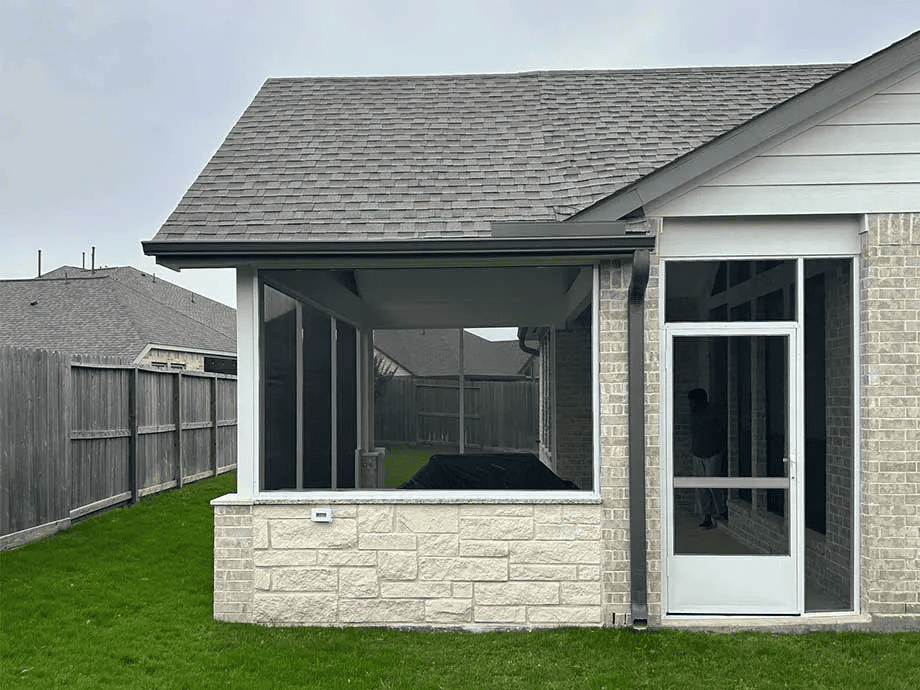
Wind-driven bugs often enter through small gaps. Check along doorways, panel seams, and any areas where the screen appears slightly separated.
Check fasteners and corners
Loose screws, popped fasteners, or cracked corner joints can turn a “minor” screen issue into a structural seal problem.
Confirm where water goes
After a heavy rain, observe whether water runs off cleanly or lingers near the screen frame. Poor drainage can accelerate wear.
Main Things Customers Should Understand
Screen enclosures are designed to handle sun exposure and repeated wetting, but they are only as reliable as the details. In Houston, many failures come from how the enclosure was assembled and how the materials respond over time. Below are the most common causes we see when an enclosure starts to underperform.
Professional observation: A torn screen is often the symptom, not the root problem. When the frame shifts even slightly, the screen tension changes and the enclosure stops sealing the way it was built to.
1) Screen tension that slowly changes
Over time, mesh can loosen from heat cycles and repeated movement. When the screen becomes slack, it can flap in the breeze and stress the edges, which leads to fraying and faster wear. A proper repair restores tension and re-seats the screen in the track so it stays smooth.
2) Frame movement and misalignment
If the enclosure frame settles or shifts, seams open and corners stop lining up. This is especially noticeable around door openings, where the enclosure needs to move with the frame while still maintaining a consistent seal.
3) Worn or damaged tracks and channels
Even when the mesh looks intact, damaged channels can prevent the screen from sitting correctly. That creates a path for insects and dust. In some cases, the track may need replacement or reconfiguration rather than simply re-installing the screen.
4) Fasteners that loosen under weather stress
Heavy rain and humidity can accelerate corrosion on metal components, and thermal expansion can loosen fasteners. If you keep finding the same area that “comes loose again,” it usually means the underlying connection needs adjustment or upgraded hardware.
5) Drainage and water path issues
Water does not just affect the screen. If runoff is directed toward the enclosure perimeter, it can saturate materials that should stay dry, leading to faster deterioration of seals and attachments. The goal is to route water away so the enclosure stays stable.
Why this matters in Houston
Houston weather is tough on exterior structures. Long hot seasons, frequent humidity, and periodic heavy downpours put stress on screen mesh, frame coatings, and the connections that keep everything aligned. That is why small enclosure changes can become noticeable sooner here, especially on patios and porches that get the most sun and wind exposure.
If your enclosure is part of a larger outdoor setup, it helps to think about the whole system. For example, if your patio cover or pergola structure has shifted or is channeling water differently, it can change the conditions around the screen enclosure. You can explore related options and upgrades here: screened-in patio and porch enclosures and custom patio covers in Houston.
| What you’re seeing | Most likely cause | Typical repair approach |
|---|---|---|
| Gaps near corners or along a seam | Frame alignment or attachment points shifting | Re-seat/re-align the frame components and re-install the screen correctly |
| Screen flapping or sagging | Loss of tension or damaged track/channel | Restore tension and inspect tracks for wear |
| Repeated loosening in the same spot | Fasteners failing under heat and moisture cycles | Adjust connections and use appropriate hardware for long-term stability |
| Water pooling at the enclosure edge after rain | Drainage path directing water toward the perimeter | Correct water path so the enclosure stays dry and stable |
Need a clear answer on what’s actually failing?
If you are seeing airflow leaks, sagging mesh, or water-related issues, an on-site inspection can help pinpoint the cause so repairs address the root problem, not just the symptom.
Contact All-Tex Home Improvement ServicesCommon Mistakes to Avoid
Homeowners often handle screen issues the way they would a window screen. That can work for a quick patch, but an enclosure failure usually has a “system” cause. Here are the most common mistakes that lead to repeat problems.
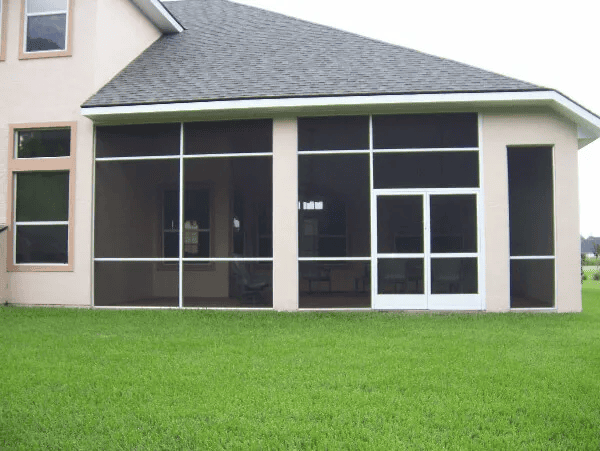
- Only replacing the screen while ignoring loose track, misalignment, or drainage problems.
- Tightening mesh without checking the frame, which can make the enclosure pull out of square.
- Skipping corner inspections, even if the rest of the enclosure looks fine.
- Assuming water staining is cosmetic, when it may be a sign of a water path that can worsen fastener and seal performance.
- Delaying repairs until the mesh becomes fully damaged, which can increase the repair scope.
Customer Checklist
Before you call for repair, take a few minutes to document what you are seeing. This helps the technician focus on the right failure points during the visit, especially if the issue happens only after rain or during windy conditions.
Quick prep: Walk the enclosure when it is breezy and after a recent rain. Note which sections change behavior.
- Identify the exact areas with gaps, fraying, sagging, or flapping screens.
- Check doors and panel seams for consistent sealing when closed.
- Look at corners and attachment points for loose or missing fasteners.
- After rain, observe where runoff flows and whether water pools near the enclosure perimeter.
- Confirm if the issue is worse in sun-exposed areas or on windward sides.
- Decide what you want back: bug control, airflow comfort, and a more weather-tolerant enclosure.
A representative Houston scenario
One homeowner in Houston noticed their screen enclosure felt drafty near the front corner, and the mesh started to flutter during evening breezes. After a heavier storm, water appeared to linger along that same edge. Instead of replacing the screen right away, the next step was to inspect the corner connection, check the track seating, and evaluate the runoff path. Once the perimeter alignment and attachment points were corrected, the enclosure sealed more consistently and the screen stopped pulling away.
Frequently Asked Questions
Can a torn screen be fixed without repairing the frame?
Sometimes, yes. If the frame is square and the screen is only damaged in one small area, a screen replacement or re-installation may resolve the issue. However, if you are also seeing gaps, repeated loosening, or flapping that keeps returning, the frame, tracks, or fasteners are often the underlying cause. In that situation, addressing only the mesh can lead to the same failure pattern coming back. A quick perimeter inspection helps determine whether the frame and channels need attention too.
Why does my screen enclosure let in bugs even when the screen looks intact?
In many cases, the screen is not the only barrier. Small gaps at corners, seams, or door openings can create entry points for insects. Also, screen tension that has loosened can pull edges away from the track, leaving thin pathways for airflow. If you notice the enclosure feels drafty or the problem is worst during windy conditions, focus your inspection on the perimeter and panel transitions first. Fixing gaps and restoring proper seating is usually more effective than patching the middle of the screen.
What should I look for after heavy rain?
After a heavy rain, check two things: the enclosure perimeter and the water path. Look for pooling or runoff that lingers near posts, corners, or the edges of the screen frame. Then inspect fasteners and attachment points for signs of loosening. If water is consistently directed toward the enclosure, it can accelerate deterioration of seals and connections. Correcting drainage and stabilizing the attachments often prevents the problem from repeating after every storm.
Is screen enclosure repair different from screen door repair?
They can be, because the enclosure is typically a larger system with multiple panels, tracks, and connection points. A screen door might fail from hinges, latching, or a localized screen issue, while an enclosure failure often involves perimeter alignment, corner joints, and how the panels meet the frame. If the enclosure is letting air in along one side or corner, it usually indicates a connection or alignment issue across that section, not just a single screen component.
How do I know whether I should repair or upgrade related outdoor structures?
If your enclosure issues are tied to water movement or structural shifts, it may make sense to review nearby outdoor components. For example, if your patio cover or pergola setup is directing runoff differently or has shifted, it can change conditions around the enclosure perimeter. Homeowners sometimes start with screen enclosure repair and then consider matching improvements for overall performance. All-Tex Home Improvement Services can help you understand what is actually driving the failure so you can prioritize repairs that make the biggest difference.
Get your enclosure back to working the way it should
When screen enclosures fail, it is usually because of frame, sealing, tension, or drainage issues. If you want a practical path forward in Houston, reach out to All-Tex Home Improvement Services for an inspection and repair plan.
Call (281) 358-2553
All-Tex Home Improvement Services
All-Tex Home Improvement Services provides exterior home improvements in Houston, TX and Houston & Surrounding Areas. If you are dealing with a screen enclosure that is no longer sealing properly, our team focuses on identifying the true failure points and restoring enclosure performance so you can enjoy your outdoor space again.
Explore related services like custom pergolas, sunrooms, or roof replacement when your outdoor system needs broader attention.