
If you are tired of bugs cruising onto your patio the moment the weather turns, a properly built screen enclosure can change how your outdoor space feels. This guide explains what to check before you commit, how to think about airflow and sealing, and which enclosure setup works best for Houston homes.
It starts small: a few mosquitoes at dusk, then it becomes a constant battle anytime you try to sit outside. You may notice gaps around doorways, a screen that bows in the heat, or corners where insects seem to find a way in, even though the enclosure looks “closed.”
If you are searching for “screen enclosures near me” in Houston, TX, you probably want more than a basic bug barrier. You want an enclosure that fits your space, stays tight, and is comfortable to use in the conditions you face most of the year.
This article will help you understand what makes screen enclosures effective for insect control, what to inspect during planning and installation, and how to choose a design that matches your patio, porch, or backyard layout.
- Quick answer
- What to check first
- Main things customers should understand
- Why this matters in Houston, TX
- Common mistakes to avoid
- Customer checklist
- Frequently asked questions
Quick Answer
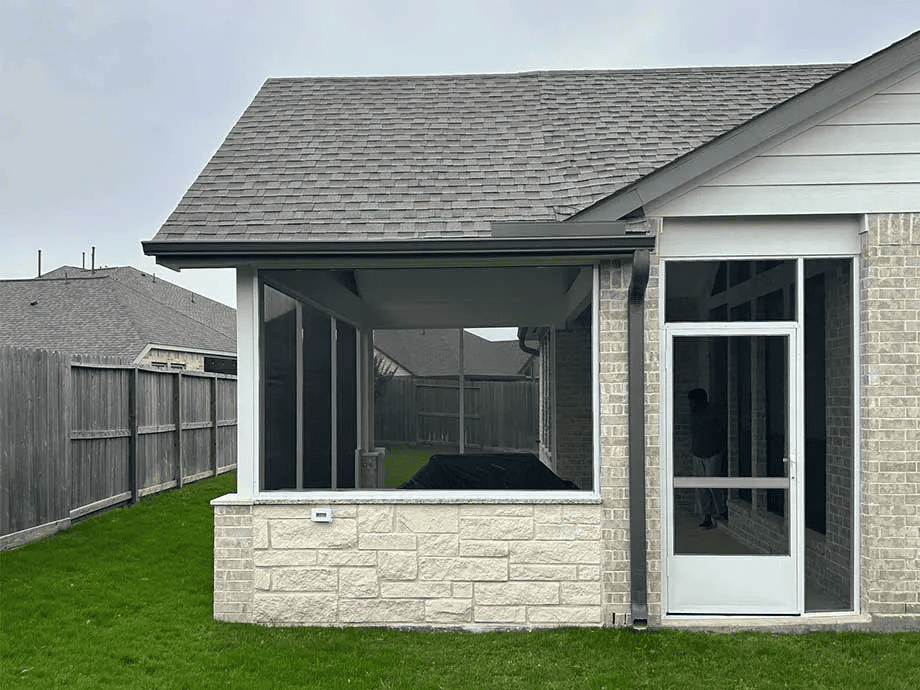
A screen enclosure helps with insect control when it is built to seal the perimeter, uses the right screen material for airflow, and is installed with careful attention to doors, corners, and any transitions to existing patio or porch structures. In Houston, TX, focus on an enclosure design that reduces gaps and drafts, and plan for easy cleaning so debris does not build up at edges. A practical next step is to review your entry points and measure the spaces you want to protect, then match the enclosure layout to how you actually use your outdoor areas.
What to Check First
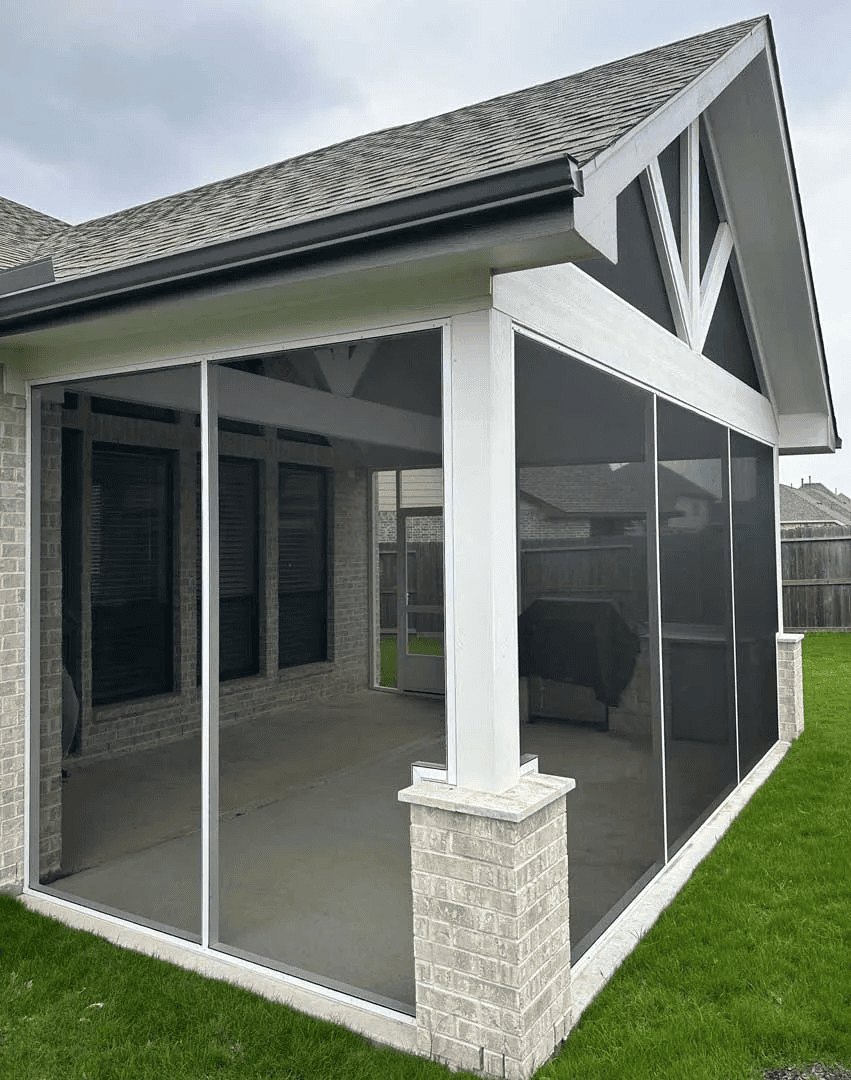
The fastest way to avoid disappointment is to start with the “paths” insects use. Walk your patio or porch perimeter and look for places where air and bugs can move freely: door frames, openings near posts, corners where two runs meet, and any areas where the enclosure will connect to an existing roof, slab, or wall. If those transition areas are not planned carefully, you can end up with an enclosure that looks complete but does not feel fully protected.
1) Your likely entry points
Identify the doors you will use most and the corners that get the most sun and wind. Those spots usually need the most attention for sealing and alignment.
2) How you want to move through the space
Think about where you will step in and out, where you will store items, and whether you want a simple open-and-close flow or more controlled access.
3) Screen comfort goals
Insect control is not only about blocking bugs. You also want a screen setup that keeps the area comfortable when the outdoor air is humid and warm.
Main Things Customers Should Understand
When homeowners ask about screen enclosures, they often picture one product. In reality, insect control comes from several design choices working together, including enclosure layout, frame fit, and how the screen system interfaces with your existing home features.
Professional observation: Insect control performance usually comes down to the details around transitions, not the big screen panels alone. Corners, door edges, and any meeting points with existing structures are where small gaps matter most.
| Decision area | What to look for | Why it impacts insects |
|---|---|---|
| Perimeter sealing | Clean, consistent fit at the base and around posts or existing surfaces | Helps reduce hidden entry paths where wind and bugs can travel |
| Door and access points | Door alignment and a clear plan for how you will enter and exit | Doors are frequent “leak points” if gaps or misalignment exist |
| Corner design | Corner junctions that do not leave irregular openings | Corners are where airflow changes and bugs can concentrate |
| Screen selection | A screen approach that balances visibility, airflow, and bug control | The right screen helps reduce intrusion while keeping the space usable |
| Integration with outdoor improvements | Coordinated planning if you are also adding patio covers, pergolas, or sunrooms | When structures connect cleanly, the enclosure system can perform as intended |
Consider pairing screens with a comfortable outdoor structure
Many Houston homeowners want shade and bug control at the same time. If you are also updating your patio roofline, you may be able to design the enclosure and the overhead coverage together so you do not create new gaps during later changes. For example, a well-planned screened-in patio or porch enclosure can be coordinated with your existing layout for a cleaner connection. If shade is part of your plan, explore outdoor patio covers in Houston or custom pergolas and patio covers to see how different overhead styles affect airflow and comfort.
Why This Matters in Houston, TX
Houston’s outdoor conditions can make bug control feel like a moving target. Warm temperatures and humid evenings can increase mosquito activity, and breezes can push insects toward any place where the enclosure system is not tight. That is why the enclosure layout and fit around doorways and corners matter so much here.
Another local consideration is how people use outdoor living spaces during the hottest stretches of the year. If your enclosure is built for insect control but does not stay comfortable, you may not use it consistently. Planning for airflow and practical access helps you actually enjoy the space instead of avoiding it.
Firsthand-style industry observation: During planning visits in Houston, the most common “miss” we see is treating the enclosure like an add-on panel, rather than a connected system. Homeowners often focus on the screen area and overlook the transition points where the enclosure meets existing patio surfaces, roof edges, or porch structures. Those are the spots where bugs and drafts show up first.
Common Mistakes to Avoid
Even well-made screen systems can underperform if the project is rushed or planned without thinking through how the space will be used. Before you choose a contractor or lock in a layout, double-check these common pitfalls that affect insect control and day-to-day comfort.
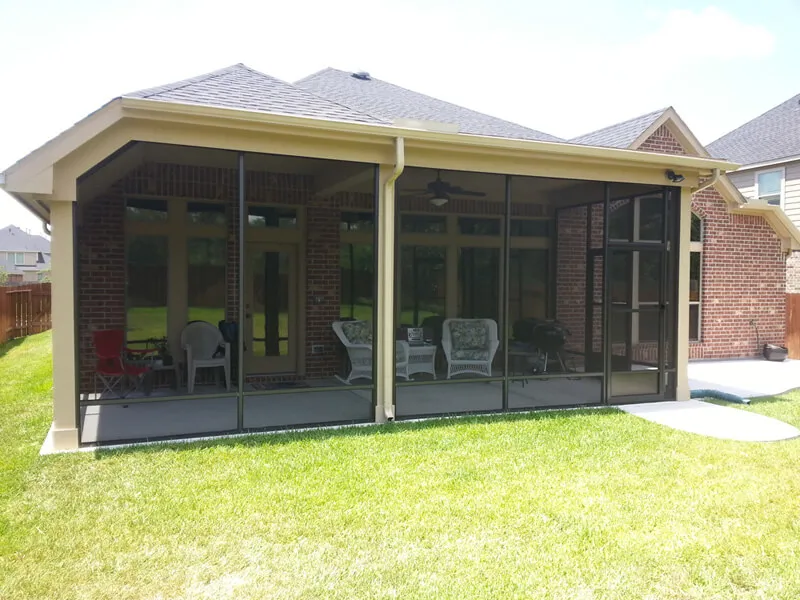
- Assuming a screen panel alone is enough. Insects get in through edges, corners, and access points, not just through the open air.
- Overlooking door and entry alignment. If door gaps are not addressed during install, the enclosure can feel “not quite sealed.”
- Not planning for how you will move furniture and supplies. An enclosure that is awkward to use often gets opened more than intended.
- Ignoring how overhead structures affect airflow. Shade and coverage can improve comfort, but the enclosure needs to connect cleanly to avoid creating new leak paths.
- Skipping a layout that matches the way you entertain. If you design for looks but not flow, you will end up avoiding the space when bugs are most active.
Customer Checklist
Use this checklist to organize your questions and measurements before you talk through your screen enclosure plan. It helps you focus on the details that affect insect control, comfort, and how the enclosure will feel once it is in use.
Practical recommendation: Start by mapping the exact area you want protected and mark every door, corner, and transition to existing surfaces. Then bring that map to your conversation so the enclosure layout can be planned as a connected system.
- Measure the protected area including any porch steps or patio edges you will want to include.
- List your main entry points and note which ones get used most during evenings.
- Check corners and junctions for irregular gaps where two surfaces meet.
- Decide how you want to control access so doors are convenient but still seal properly.
- Plan for comfort by considering how shade or overhead coverage will pair with the enclosure.
- Think about nearby exterior updates that may affect the enclosure connection, such as windows, siding, or roofline changes.
A representative scenario (what this looks like for a real homeowner)
A Houston homeowner wanted to sit outside after dinner, but mosquitoes and tiny flying insects made the patio unusable. The initial thought was to add screens to the large openings, but a closer walkthrough showed the biggest issue was at the door edges and two corner junctions where the enclosure would connect to existing structures. The final plan focused on sealing those transition points and choosing an enclosure layout that matched how they actually entered, moved around, and used the space. After installation, the patio felt noticeably more comfortable for regular evening use.
Ready to reduce bugs on your patio or porch?
If you are searching for screen enclosures near me in Houston, TX, All-Tex Home Improvement Services can help you plan an enclosure that fits your space and addresses the details that matter for insect control.
Visit All-Tex Home Improvement ServicesFrequently Asked Questions
These questions come up often from homeowners and property managers in Houston, TX who want an enclosure that actually works for insect control.
How do screen enclosures reduce insects without making the space feel closed off?
Effective screen enclosures reduce insects by controlling the openings where insects can enter, especially around doors, corners, and perimeter transitions. At the same time, the screen system is designed to maintain airflow so the area stays comfortable instead of feeling sealed like a room. In practice, the enclosure layout matters as much as the screen itself, because a setup that blocks common entry paths while allowing ventilation will help you use the space more consistently during evenings.
What areas should I inspect first if I keep seeing bugs near my patio?
Start with the places you open and close most often. Check door edges for consistent fit, look at corners where two runs meet, and inspect any transitions between the enclosure and existing patio or porch surfaces. Even small irregularities can create a path for insects, especially when wind pushes air toward the enclosure. If you recently had nearby exterior work done, pay attention to those connection points as well.
Can I pair screen enclosures with patio covers or pergolas?
Yes, pairing screens with overhead coverage is common because it improves comfort and makes the space more usable. When the enclosure and overhead elements are coordinated, the transitions can be planned so you do not introduce new gaps later. If you are considering a combined approach, review options such as outdoor patio covers in Houston or custom pergolas and patio covers so the final layout supports both comfort and insect control.
Are screen enclosures only for patios, or can they work for porches too?
Screen enclosures work for both patios and porches, and the best setup depends on how you enter the space and how the enclosure ties into your home. Many customers in Houston choose screened-in patio and porch enclosures because they can protect the area you use most, whether it is a backyard patio, a front porch, or a side entrance. A good plan considers doors, corner geometry, and the connection points to your existing structure.
What if I also need exterior updates like siding or windows?
Exterior updates can affect enclosure planning because changes to siding, windows, or roofline details may alter connection points. It is often helpful to coordinate the timing so the enclosure can be integrated cleanly. For example, if you are planning replacement windows or HardiePlank siding replacement, discussing the enclosure plan early can help reduce rework and keep transitions tight where bugs and drafts can get in.
Talk through your layout with All-Tex Home Improvement Services
For screen enclosures near me in Houston, TX, the goal is simple: build a system that fits your home and helps keep insects out where you actually spend time outdoors.
(281) 358-2553
All-Tex Home Improvement Services
All-Tex Home Improvement Services provides exterior home improvements for homeowners across Houston, TX and Houston & Surrounding Areas. From screen enclosures to related outdoor upgrades, the focus is on practical, well-fitted solutions that help you enjoy your home more comfortably outdoors.
Explore more services at https://alltexexteriors.com/.