
Roof Replacement Near Me: Emergency Leak Repair Services
If you notice water where it should not be, you need a plan that protects your home while you determine whether a simple repair can solve the problem or if roof replacement is the safer, longer-term move. This guide explains what to check, what to avoid, and how to make smart decisions in Houston, TX.
After a heavy rain in Houston, you might see a wet spot on the ceiling, water staining along an interior wall, or dripping near an attic access. Even if the leak stops when the weather clears, the damage often does not. Moisture can linger in the roof deck, insulation, and framing before you ever notice the full extent.
That moment is stressful because “roof leak” can mean anything from a failed flashing detail to worn shingles, damaged underlayment, or a larger system issue. This guide will help you understand the likely causes, what to inspect first, and how to discuss emergency leak repair and roof replacement with confidence in Houston, TX.
- Quick answer
- What to check first
- Main things customers should understand
- Why this matters in Houston, TX
- Common mistakes to avoid
- Customer checklist
- Frequently asked questions

Quick Answer
If you have an active leak, focus first on stopping water intrusion and preventing indoor damage, then identify the source point on the roof (often around flashing, vents, edges, or penetrations). In many cases, a targeted repair can address the immediate problem. If the roof covering is extensively deteriorated, the leak keeps returning, or multiple areas show water damage, roof replacement is usually the more reliable fix. A practical step is to document where the water appears inside and schedule a roof inspection so the repair plan matches the actual cause.
What to Check First
Before anyone starts removing materials, you can gather helpful clues. Start by checking where the water shows up inside: ceiling stains, damp insulation, wet drywall seams, or drips that start after a specific wind direction or rainfall intensity. If it is safe, note whether the wet area grows during storms or only after.
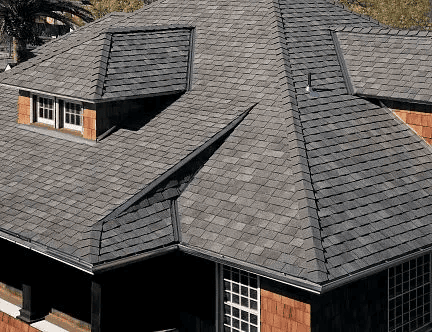
Next, look for obvious exterior indicators. From the ground, you can often spot missing or lifting shingles, damaged roof edges, loose flashing at chimneys or wall transitions, and clogged gutters that overflow during heavy rain. Indoors, check for moisture near attic penetrations such as bathroom fan vents, plumbing stacks, or attic hatches, because leaks can travel before they drip.
Professional observation: Leaks rarely follow the path you see inside. Water can run under shingles or migrate through gaps in underlayment, then appear farther away from the original failure point.
Main Things Customers Should Understand
When deciding between emergency leak repair and roof replacement, the key is determining whether the problem is localized or systemic. A small failure can often be corrected, but widespread deterioration usually means the underlying layers and multiple sections may no longer perform as intended.
Where the leak originates
Flashing details, roof penetrations, and roof edges are common sources. If the issue is concentrated, repairs can be more straightforward.
How the roof layers have held up
Even if the top surface looks “mostly fine,” compromised underlayment or sheathing can keep the leak returning.
How many areas are affected
Multiple interior staining points after different storms often indicate more than one failure site.
| Condition you may notice | What it often means | Typical next step |
|---|---|---|
| Leak appears near vents, chimneys, or plumbing penetrations | Flashing or sealant breakdown at a specific detail | Targeted emergency leak repair |
| New leaks keep showing up in different spots | More widespread roof system wear | Inspection to evaluate roof replacement |
| Visible shingle lifting, curling, or missing sections | Roof covering deterioration and loss of water-shedding performance | Repair if limited, replacement if extensive |
| Signs of moisture in insulation or roof deck | Water intrusion has traveled beyond the surface | Moisture assessment plus repair or replacement plan |
Customer-focused tip: If you only address the inside stain without correcting the roof source, the problem can repeat after the next storm.
Why This Matters in Houston, TX
Houston weather can be punishing on exterior building materials. Intense rain events, humidity, and storm-driven winds can expose weaknesses in roof edges, flashing joints, and penetrations. That is why, in Houston, TX, homeowners often notice leaks after a storm even when the roof looked fine days earlier.
Another local consideration is how quickly moisture can affect interior finishes. Once water reaches attic insulation or framing, it can create conditions that take longer to dry, especially when the roof system is not fully corrected. A thorough inspection helps you avoid chasing symptoms and instead address the roof details that allow water in during heavy weather.
Need help deciding between leak repair and roof replacement?
Call All-Tex Home Improvement Services in Houston, TX to discuss what you are seeing and schedule an exterior assessment.
(281) 358-2553Common Mistakes to Avoid
When a leak hits, it is tempting to “patch and move on.” Unfortunately, the most common mistakes usually turn a manageable repair into repeated damage.
Only fixing the inside stain
If the roof source is not corrected, staining can return and moisture can keep traveling.
Using temporary materials without addressing the failure point
Improper sealing can trap water or miss a flashing or underlayment problem.
Assuming the leak is coming from where you see the drip
Water often runs under roof materials, so the interior location is not always the true entry point.
Another mistake is delaying action while waiting for “perfect weather.” Even if you cannot repair immediately, documenting the leak pattern and getting a roof inspection can reduce uncertainty. If you also have related exterior concerns, you may want to coordinate projects so the roof and surrounding components work together instead of fighting each other.
Customer Checklist
Use this checklist to stay organized from the first leak report through the final repair plan. It is designed to help you communicate clearly and protect your property while the source is identified.

- Record when the leak starts (after rain, after wind, after specific times of day).
- Take notes of where water appears inside (ceiling spot, wall seam, attic area, near penetrations).
- Check the attic for damp insulation or visible moisture around vents and plumbing stacks.
- From the exterior, look for lifted edges, missing shingles, damaged flashing, or clogged gutters.
- Keep indoor materials protected using buckets or tarps where safe, without blocking access to the roof.
- Ask for an inspection that identifies the actual entry point, not just the interior damage location.
- Confirm whether the plan is a targeted emergency leak repair or an evaluation for roof replacement.
- Plan next steps for drying and restoration after the roof is corrected.
Representative Scenario
A homeowner in Houston, TX noticed a dark stain on the bedroom ceiling after a storm. After the rain stopped, the drip slowed, but the attic hatch area still felt damp. An exterior inspection found compromised flashing around a roof penetration, along with early signs of roof covering wear near the same zone. Because the roof system showed additional deterioration beyond the single penetration detail, the homeowner reviewed options that included emergency leak repair to stop active intrusion and a longer-term plan for roof replacement to reduce the chance of repeat leaks during future storms.
Frequently Asked Questions
How can I tell if I need roof replacement or just a leak repair?
Repairs can often work when the leak is localized, such as failed flashing at a vent or chimney, a specific roof penetration, or a limited area of damaged roof covering. Roof replacement is more likely when multiple sections show wear, the roof covering is widely deteriorated, or moisture has affected layers beneath the surface. The most practical approach is an inspection that identifies the entry point and checks how much of the roof system has lost performance, not just where the leak appears indoors.
What should I do immediately when I see water coming in?
Focus on preventing additional damage and staying safe. Place a bucket or temporary catch where appropriate, and protect nearby surfaces from continued moisture. Keep access clear so an inspection is possible. If water is actively dripping, prioritize stopping the source by arranging an exterior assessment. After the leak is corrected, plan for drying and restoration so moisture does not remain trapped in insulation or building materials.
Can heavy rain cause a leak even if my roof looks okay?
Yes. A roof can appear fine on a dry day while still having weaknesses at flashing joints, roof edges, or penetrations. During heavy rain, wind-driven water can push into small gaps, and water can travel under roof materials before it shows up inside. That is why inspection matters, especially in Houston, TX where storms can quickly reveal vulnerabilities that were not obvious before.
Why does the leak sometimes stop after the storm ends?
Many leaks are tied to active water intrusion. Once the rainfall stops, the pressure and flow that entered through the roof detail may reduce, making the dripping less noticeable. However, the underlying cause often remains. If the roof system is not corrected, the same weakness can allow water in again during the next storm, sometimes at the same entry point and sometimes near other worn areas.
What information helps a contractor find the source faster?
The most useful details are when the leak started, where it appears inside, and whether it correlates with specific weather conditions. Notes about interior locations near vents, plumbing penetrations, or roof edges can narrow the search. If you can safely observe exterior clues such as lifted or missing shingles, damaged flashing, or overflowing gutters, that also helps. Clear documentation reduces guesswork and supports a more accurate repair or roof replacement decision.
Protect your home in Houston, TX
If you are dealing with a roof leak and want a clear path forward, All-Tex Home Improvement Services can help you evaluate the roof system and plan the right next step.
Schedule with All-Tex Home Improvement Services
All-Tex Home Improvement Services provides exterior home improvements for homeowners and property owners across Houston, TX. From roof replacement and exterior painting to siding replacement and outdoor upgrades, the focus is on practical, long-lasting results that protect the building envelope. If you are searching for roof replacement near me or need emergency leak repair guidance, their team helps you identify the source and choose the right solution for your property.
Explore related services such as roof replacement in Houston, exterior painting, HardiePlank siding replacement, and replacement windows.
Phone: (281) 358-2553