
Roof Replacement Near Me for Storm Damage Repairs
If your roof in Houston, TX took a hit during a storm, you may be wondering what qualifies as “damage” and whether a repair will hold up. This guide walks you through what to check, what typically drives roof replacement decisions, and how to prepare for a professional inspection so you can move forward with confidence.
After heavy wind or hail, it is common to notice a few visible problems: lifted shingles, granules in the gutters, or a soft spot near an attic access. But sometimes the real damage is less obvious, such as water intrusion that shows up later as staining on ceilings or warped wood inside.
If you are searching for “roof replacement near me,” the concern is usually the same. You want to stop leaks, avoid repeat repairs, and make sure the underlying layers are addressed, not just the top surface.
This article helps you understand how roof replacement is evaluated after storm damage in Houston, TX, what to check first at your home, and what a practical next step looks like when you need exterior home improvements you can count on.
- Quick answer
- What to check first
- Main things customers should understand
- Why this matters in Houston, TX
- Common mistakes to avoid
- Customer checklist
- Frequently asked questions

Quick Answer
If you are seeing storm-related signs like missing or loose shingles, widespread granule loss, or any evidence of leaks inside the home, replacement may be the safer long-term choice. A professional inspection should assess more than the visible shingles by checking the decking, underlayment, flashing points, and ventilation. In Houston, TX, where storms can be intense and heat can accelerate wear, addressing the full damage early helps reduce the chance of recurring leaks. Start by documenting what you see and scheduling an inspection so you can confirm whether repair is truly sufficient or replacement is warranted.
What to Check First
Before you call anyone, do a careful walk-through focused on evidence of storm impact and moisture. This does not replace an inspection, but it helps you ask better questions and spot issues that need attention right away.
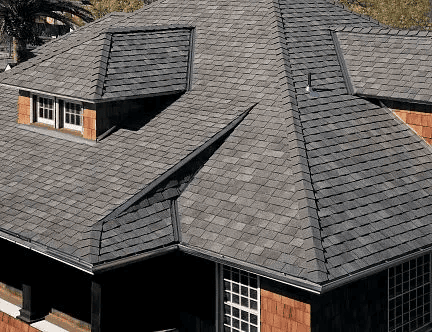
Look for storm pattern damage
Check for lifted corners, missing shingles, dents, and areas where damage appears concentrated rather than random. That pattern can indicate wind or hail impact.
Check gutters and edges
Granules in gutters or at downspouts can be a sign that shingles are losing their protective surface after hail or repeated impacts.
Inspect inside for leak clues
Stains, bubbling paint, musty odors, or damp insulation near roof lines can point to underlayment or flashing issues even if the shingles look “mostly okay.”
Main Things Customers Should Understand
Roof replacement decisions usually come down to how much of the roof assembly is affected and whether water pathways were compromised. When storm damage is limited to a small, isolated section, repairs may be considered. When damage is broader, replacement is often the practical way to restore the full system.
Professional observation: Storm damage rarely stays only on the surface. Even when shingles look salvageable, the underlayment, flashing, and roof decking can be the real weak points once wind lifts material or hail fractures the protective layers.
What typically gets evaluated during an inspection
A thorough storm-damage roof assessment focuses on the entire assembly, including the areas where leaks commonly start.
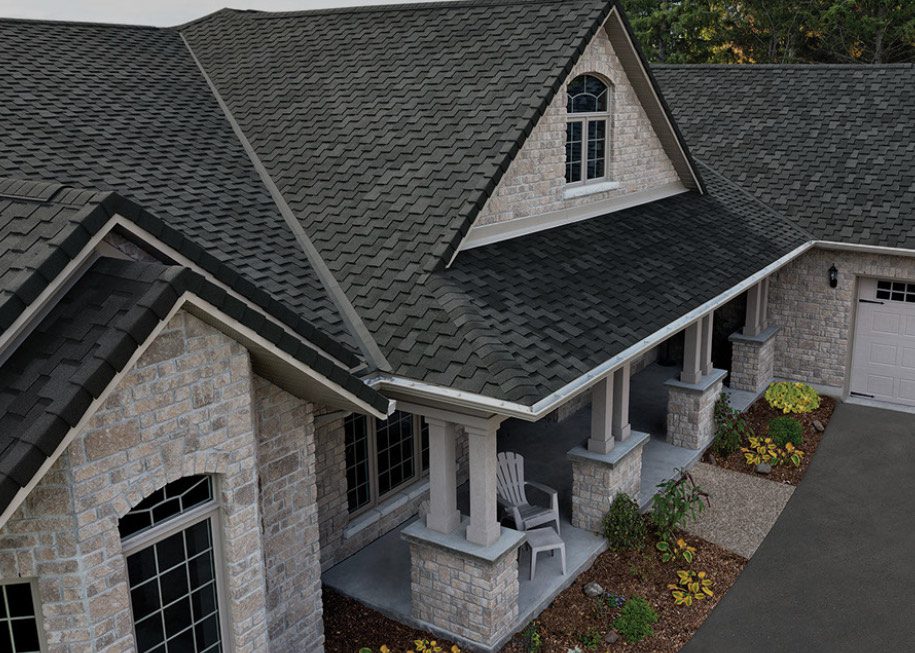
- Shingle condition: missing, lifted, or fractured shingles and overall coverage damage
- Underlayment and decking: signs of moisture, buckling, or compromised layers
- Flashing and penetrations: roof-to-wall transitions, vents, chimneys, and other leak-prone junctions
- Ventilation and airflow: whether the system supports proper drying and performance
- Overall roof footprint: whether the damage is localized or spread across multiple planes
Repair vs. replacement: a decision table
Use this table as a quick way to frame the question you want answered during your inspection. It is not a substitute for a professional assessment, but it can help you understand the tradeoffs.
| Situation you notice | Why it matters | What a roof inspector will typically consider |
|---|---|---|
| Small area of missing shingles after a storm | Potential for localized water entry at exposed points | Extent of surrounding shingle damage and condition of flashing and underlayment |
| Multiple damaged zones across different roof sections | Wider compromise increases the odds of additional failures | Whether replacing the full roof assembly restores consistent protection |
| Interior staining or damp insulation near roof lines | Indicates moisture traveled beyond the top layer | Decking and underlayment condition, plus the likely leak path |
| Visible granule loss and aged roof surface | Protective wear can reduce shingle performance during heat and future storms | Overall roof age and whether replacement is the most durable approach |
Why This Matters in Houston, TX
In Houston, TX, storm damage repairs are often complicated by the combination of intense weather events and long stretches of heat and humidity. Even when the initial storm damage seems manageable, roofs that are compromised can be more vulnerable to moisture movement over time. That is why it helps to focus on the full assembly, not just the visible shingles.
While you are thinking about the roof system, it can also be a good time to review related exterior components that support the overall envelope. If you are planning other exterior home improvements, you may want to coordinate timing so the project flow makes sense for your home’s structure and surrounding areas. For example, if your property includes outdoor additions, you can pair exterior work planning with projects like roof replacement in Houston and nearby upgrades.
Ready for a storm-damage roof inspection?
Get clarity on what needs to be repaired versus what should be replaced for your roof in Houston & surrounding areas.
Call All-Tex Home Improvement ServicesCommon Mistakes to Avoid
After a storm, homeowners often make decisions based on what looks easiest to fix. Unfortunately, some shortcuts can cost more later if the underlying cause of the leak was not addressed.
- Waiting for a leak to “prove itself”: Interior signs can appear after water has already traveled into the roof assembly.
- Only replacing a few shingles: If hail or wind affected multiple sections, patching can leave surrounding layers unevenly protected.
- Overlooking flashing and penetrations: Roof leaks commonly start at junctions, including vents and roof-to-wall connections.
- Assuming granule loss is normal wear: After storms, granule loss can be a sign that the protective layer was damaged.
- Not coordinating exterior work: If you are also planning projects like exterior painting in Houston, timing matters so surfaces stay protected during construction.
Customer Checklist
Use this checklist to prepare for your roof replacement conversation and inspection. It helps you stay organized and ensures you cover the key areas that affect storm repairs.
- Document visible damage: note locations of lifted, missing, or fractured shingles
- Track moisture clues: list any interior staining, damp spots, or odors you noticed
- Check roof edges and transitions: identify any areas where the roof meets walls or structures
- Be ready to discuss timing: share when you first noticed the damage after the storm
- Ask about the full assembly: confirm whether the inspection reviews underlayment, decking, and flashing
- Clarify next steps: request a clear explanation of repair versus replacement and why
Representative scenario
For example, a homeowner in Houston, TX noticed granules in the gutter the day after a strong wind event. Over the next week, they saw a small ceiling stain near an upstairs room. From the street, only a few shingles seemed displaced, so the initial thought was “maybe it is just a patch.” During inspection, the contractor identified additional storm impact beyond the visible area and checked the roof assembly where moisture had likely entered. The final plan centered on restoring the full system to prevent recurring leaks rather than repeatedly fixing isolated spots.
Frequently Asked Questions
How do I know if I need roof replacement or just a repair after storm damage?
You typically need replacement when storm impact affects a wider portion of the roof assembly or when there is evidence of moisture intrusion beyond the top layer. A professional inspection should evaluate shingles, underlayment, decking, flashing, and penetrations. If you have interior staining or damp insulation, that is a strong sign the issue may not be limited to a small surface patch. Bringing a list of what you observed after the storm can help your inspector confirm whether repair can restore the system or whether replacement is the more durable option.
What should I look for inside my home that suggests roof damage?
Look for ceiling stains, bubbling or peeling paint, damp or sagging areas, and musty odors near the room directly under roof lines. Even if shingles look mostly intact from the ground, moisture can travel through compromised underlayment or around flashing. If you notice any of these signs, it is better to schedule an inspection soon so the roof assembly can be assessed before additional deterioration occurs.
Does granule loss always mean storm damage?
Granule loss can happen from regular aging, but after a storm it may also point to impact damage from hail or wind. The key is context. If granules appear in gutters and you also see lifted or fractured shingles, that combination suggests storm-related wear rather than only gradual aging. An inspection can help determine whether the condition is localized or spread across the roof, which affects whether repair or replacement is the best route.
Will replacing the roof affect other exterior projects on my property?
It can, especially if you have planned exterior improvements or additions that tie into the building envelope. Coordinating timelines helps prevent rework and protects finished surfaces. For instance, if you are also planning exterior painting, it is often easier to align the sequence so the roof is restored before exterior finishes are finalized. If your home includes outdoor structures, roof work can also impact how contractors manage access and transitions around the property.
What is a practical next step after a storm?
Start by documenting the damage you see and listing any interior moisture clues. Then schedule a roof inspection to evaluate the full assembly, including underlayment, decking, flashing, and penetrations. A good inspection should explain what was affected and why that leads to repair or replacement. If you are located in Houston, TX or the surrounding areas, working with a local exterior improvement contractor like All-Tex Home Improvement Services can help you plan the next phase of storm repairs with less guesswork.
Get a clear plan for your roof in Houston
If your roof shows signs of storm damage, a professional inspection is the fastest way to separate visible issues from the root cause. All-Tex Home Improvement Services can help you understand whether roof replacement is the right move and what to address as part of the full exterior system.
(281) 358-2553
All-Tex Home Improvement Services provides exterior home improvements for homeowners in Houston, TX and Houston & Surrounding Areas. From storm-focused roof replacement to exterior upgrades, our team helps you plan and complete exterior projects with practical, homeowner-friendly guidance.
Explore related services like HardiePlank siding replacement, replacement windows, or screen enclosures to support the look and performance of your home’s exterior.